
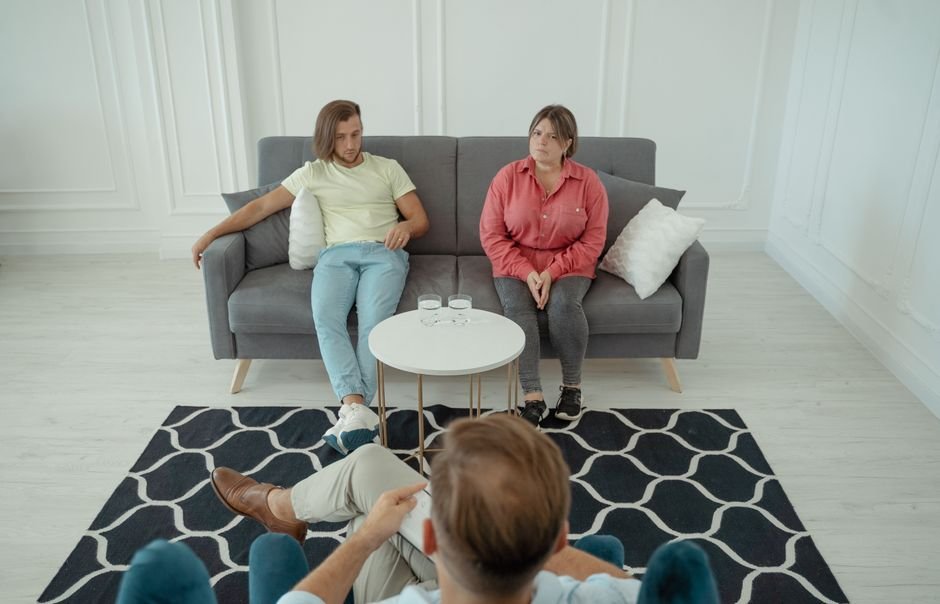
Finding out your spouse cheated is devastating. The betrayal, the anger, the broken trust—it all hits at once. But here’s something you might not expect: healing from infidelity is possible. With specialized marriage counseling support, couples can work through the pain, rebuild trust, and sometimes even strengthen their relationship in ways they never thought possible.

The key is knowing when and how to approach marriage counseling for a cheating spouse—and what to expect along the way.
Related: Best Couples Counseling for Cheating Spouse in Tampa & Orlando, FL
Related: Best Marriage Affair Counseling in Tampa & Orlando, FL
Should You Get Marriage Counseling After Your Spouse Cheated?
Not every couple should jump straight into marriage counseling after infidelity. That might sound harsh, but it’s true. Some therapists actually recommend individual therapy first, before you even sit down together with a counselor.
Related: Best Marriage Counseling for Infidelity Recovery 2026: Top 5 Ranked
Related: Best Marriage Counseling for Infidelity 2026: Top 5 Specialists Ranked
Related: Best Marriage Counseling in Orlando 2026: Top 6 Providers Ranked
Why? Because you need space to process your own emotions without trying to “fix” the relationship immediately. The betrayed partner (you, in this case) needs to work through grief, anger, and hurt. The unfaithful spouse needs to understand what drove them to cheat and commit to real change.
Here’s the reality: marriage counseling for infidelity only works if both partners are genuinely committed to healing. If your spouse is defensive, minimizing what happened, or showing no remorse, couples therapy won’t save the marriage. It might help you make a clearer decision about whether to stay or leave, but it won’t magically restore trust.
Related: Marriage Therapy for Infidelity: How to Rebuild Trust
Related: Therapy for Cheating Spouse: How to Heal & Rebuild
The Right Order: Individual Therapy First
Before you sit down with your spouse and a counselor, consider seeing a therapist individually. This gives you a chance to:
- Process your feelings without judgment
- Decide what you actually want (staying, leaving, or needing time)
- Plan how to have the conversation with your spouse
- Build a support system
- Understand your own role in the relationship (not blaming yourself for the affair, but recognizing patterns)
This step is crucial. You’re not ready for marriage counseling if you’re still in shock or if you haven’t decided whether you want to stay. Individual therapy helps clarify that.
If you’re in Tampa or Orlando, LEAPS Inc offers Individual Therapy specifically designed to help betrayed partners navigate infidelity trauma. The therapists there understand the complex emotions and can help you move at your own pace.
What Specialized Infidelity Counseling Actually Looks Like
Once both of you are ready, specialized infidelity counseling is different from regular couples therapy. The therapist focuses specifically on the affair, rebuilding trust, and preventing it from happening again.
Related: Counseling for Cheaters: Steps to Healing & Rebuilding Trust
Related: Relationship Counseling for Cheating: Healing & Rebuilding Trust
Related: Marriage Counseling for Cheating: Healing & Rebuilding Trust
Related: Best Couples Therapy for Affair Recovery: Rebuild Trust
Related: Marital Counseling for Infidelity: How to Rebuild Trust
A good infidelity counselor will:
- Create a safe, non-judgmental space for both partners
- Help the unfaithful spouse take full accountability (not excuses)
- Help the betrayed partner process grief and anger
- Address the root causes of the affair
- Rebuild emotional and physical intimacy gradually
- Establish new boundaries and communication patterns
- Help you decide if reconciliation is actually possible
This isn’t quick work. Healing from infidelity usually takes 12-24 months of consistent therapy. And that’s with both people doing the work. If one partner checks out or refuses to be honest, the process stalls.
Open Communication Is Non-Negotiable

You can’t rebuild trust without brutal honesty. Your spouse needs to be willing to answer difficult questions—over and over, for months. Why did they cheat? What was missing in the relationship? What happened step by step? Are they willing to rebuild?
Many betrayed partners say the questions never end. “Did you love them?” “How many times?” “Did you think of me?” These are hard conversations, and your spouse needs to stay open to them without getting defensive.
At the same time, you need to communicate your own needs. You might need full transparency (passwords, location sharing, a timeline of when they’ll be where). You might need reassurance. You might need them to end certain friendships or change their behavior in specific ways.
A skilled marriage counselor helps you navigate these conversations without them turning into fights. They help you both communicate effectively—which is especially hard when emotions are this raw.
Have a health concern?
Addressing the Root Cause Matters More Than the Details
Here’s something a lot of people don’t realize: knowing every detail of the affair doesn’t actually help you heal. Sometimes it makes things worse.
What matters is understanding why it happened. Was your spouse struggling with addiction? Were they seeking emotional connection they weren’t getting at home? Did they have unresolved trauma? Were they testing the boundaries of the relationship?
Understanding the root cause helps you decide if the relationship can actually move forward. If your spouse cheated because they felt emotionally neglected, that’s something you can work on together. If they cheated because they have a pattern of compulsive infidelity tied to deeper issues, that requires different treatment.
This is where couples therapy can help rebuild trust after an affair—by digging into the “why” instead of just the “what.”
Both Partners Need to Be All In
Here’s the hard truth: marriage counseling for a cheating spouse only works if both people want it to work. Your therapist can’t want it more than you do.
Related: Marriage Counseling After Infidelity: Rebuilding Trust
This means:
- Your spouse admits the affair fully and takes responsibility
- They’re willing to go to therapy (sometimes multiple times a week early on)
- They’re honest about their feelings and motivations
- They make concrete changes to prevent it from happening again
- You’re willing to work on your own issues too (not just blame them)
- You both commit to the timeline (which is long)
If either of you is just going through the motions, it won’t work. And honestly? That’s okay. Sometimes couples realize infidelity is the end of the relationship, and that’s a valid outcome too.
When to Consider Leaving Instead

Marriage counseling for infidelity isn’t recommended if:
- Your spouse refuses to go or actively resists therapy
- They continue the affair or are caught in more lies
- There’s abuse (emotional, physical, or financial)
- You’re only staying “for the kids” (research shows this actually harms them more)
- You’ve already checked out emotionally
- They show no genuine remorse or accountability
Sometimes the healthiest choice is to leave. A good marriage counselor will help you figure out which path is right for you—even if that path is separation.
The Role of Faith in Infidelity Recovery
If you and your spouse share Christian values, incorporating faith into your counseling can be powerful. Many couples find that spiritual practices—prayer, studying Scripture together, working with a faith-based therapist—help them reconnect on a deeper level.
A Christian-centered approach to infidelity counseling addresses not just the relationship mechanics, but also spiritual healing. It acknowledges the betrayal as a breach of covenant while also emphasizing forgiveness and redemption.
If this resonates with you, look for therapists who integrate faith into their practice. LEAPS Inc specializes in Infidelity Recovery with a Christian worldview, helping couples heal through both clinical and spiritual frameworks.
What Healing Actually Looks Like
Healing from infidelity isn’t linear. Some days you’ll feel hopeful. Other days the pain will hit like it just happened. That’s normal.
Real healing looks like:
- The betrayed partner’s triggers gradually decrease (but don’t fully disappear)
- The unfaithful spouse becomes a reliable, accountable partner
- Both of you develop deeper communication skills
- You rebuild physical and emotional intimacy
- You’re able to talk about the affair without it derailing the conversation
- Trust starts to return (even if it’s different than before)
- You both feel like you chose each other again, consciously
For some couples, the relationship becomes stronger after infidelity—because they finally address issues they’d been avoiding for years. But that only happens with real work and professional support.
Finding the Right Counselor Matters
Not every marriage counselor specializes in infidelity. Look for someone who has specific training in betrayal trauma and affair recovery. Ask directly: “How many couples have you worked with on infidelity? What’s your approach?”
The right therapist will be compassionate but not coddle you. They’ll hold your spouse accountable while also helping you both move forward. They’ll know when to push and when to give you space.
If you’re in Tampa or Orlando, reaching out to LEAPS Inc is a good start. They have licensed therapists trained in trauma-informed care and infidelity recovery who understand the cultural and faith dimensions of healing.
People Also Ask
How long does it take to rebuild trust after infidelity?
Trust rebuilding typically takes 12-24 months of consistent therapy and honesty. Some couples need longer. The timeline depends on how committed both partners are and how deep the betrayal goes. There’s no shortcut.
Should I tell my kids about the affair?
That depends on their age and your specific situation. Generally, young kids don’t need to know the details. Teenagers might sense something is wrong. Your therapist can help you decide what to tell them and how. The goal is protecting them while being honest about why the family dynamic might be changing.
Is it normal to want to know every detail of the affair?
Yes, it’s completely normal to want details—you’re trying to make sense of the betrayal. But research shows that obsessing over details can actually slow healing. A good therapist helps you decide what you truly need to know versus what would just fuel rumination.
Can you ever fully trust your spouse again after cheating?
Trust can be rebuilt, but it’s usually different than before. You might always have some lingering wariness. Many couples say their post-affair trust is actually more honest—it’s built on active choice and awareness, not blind assumption. That can actually be stronger in some ways.
Can I divorce without doing counseling first?
Of course. You don’t owe anyone a chance to fix a broken marriage if you don’t want to. Some people know immediately that infidelity is a dealbreaker, and that’s valid. Marriage counseling is only if both partners want to try.
What if my spouse won’t go to counseling?
Then you have a choice: accept the relationship as it is, set an ultimatum, or leave. You can’t force someone into therapy. What you can do is go to individual therapy yourself to process the betrayal and figure out what you actually want to do next.
Is there ever a “good” reason to cheat?
No. But there are usually reasons why it happened—unmet needs, personal struggles, relationship patterns. Understanding those reasons doesn’t excuse the behavior. It just helps you decide if the underlying issues can be fixed.
Have a health concern?