
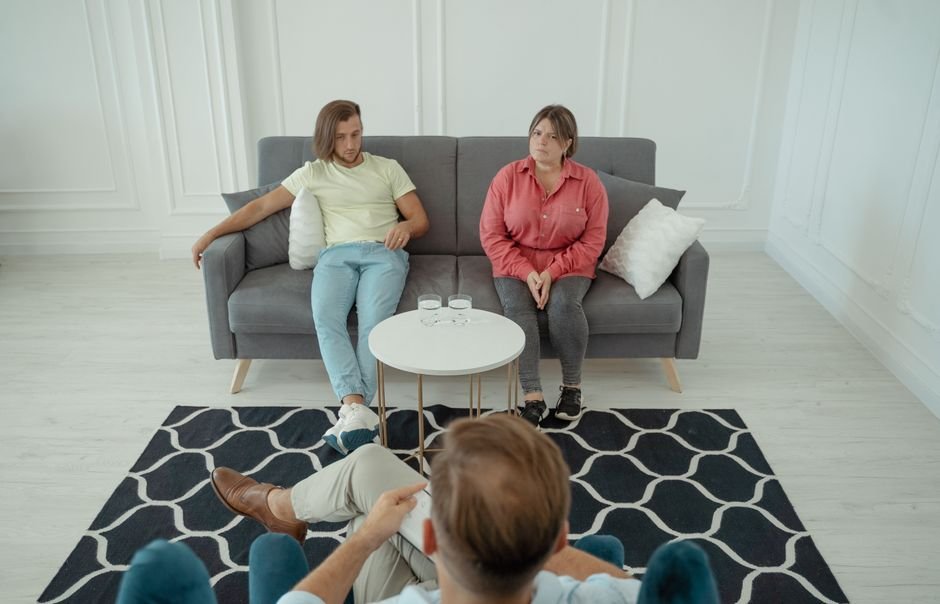
Infidelity is one of the most painful experiences a marriage can go through. If you’re here, you’re probably asking yourself: can we come back from this? The honest answer is yes, but it takes real work from both partners. Marriage counseling for cheating is specifically designed to help couples navigate the aftermath of betrayal, uncover what led to the affair, and rebuild trust from the ground up.
The good news? Research shows that LEAPS Inc and other evidence-based couples therapy approaches can be effective in helping partners process infidelity and move toward genuine healing. Let’s walk through what that process looks like and how it can save your marriage.
What Marriage Counseling for Cheating Actually Does
Marriage counseling for cheating isn’t about blame or judgment. It’s about three core things: processing the betrayal, identifying what went wrong in the relationship, and rebuilding the foundation for trust.
Related: Marriage Counseling After Infidelity: Rebuilding Trust
Related: Relationship Counseling for Cheating: Healing & Rebuilding Trust
Related: Counseling for Cheaters: Steps to Healing & Rebuilding Trust
A licensed therapist trained in infidelity recovery helps you and your spouse have conversations you probably can’t have on your own. They create a safe space where both partners can express pain, anger, and fear without shutting down or escalating into conflict.
The therapist’s role is to guide you through difficult questions like: Why did this happen? What needs weren’t being met? How do we move forward together? These aren’t easy conversations, but they’re essential if you want to genuinely repair the relationship rather than just sweep it under the rug.
The Three Main Goals of Infidelity Counseling
1. Process and Validate the Betrayal
The betrayed partner needs to be heard. Infidelity triggers deep trauma responses: shame, anger, loss of identity, and profound hurt. Early counseling sessions focus on letting that partner express what happened, how it affected them, and what they need from their spouse moving forward.
This isn’t just venting. It’s structured, witnessed healing. The unfaithful partner listens without defensiveness. Over time, this validation helps the betrayed partner begin to move through the shock and into processing.
2. Uncover the Root Causes
Here’s what many couples don’t realize: the affair didn’t happen in a vacuum. There were unmet needs, communication breakdowns, emotional distance, or personal struggles that created the conditions for infidelity.
This doesn’t excuse the cheating. But it does help both partners understand the “why” beyond surface excuses. Maybe there was unresolved conflict. Maybe one partner felt invisible. Maybe work stress, depression, or past trauma was never addressed. Identifying these root causes is critical because without doing that work, the same patterns can resurface.
3. Rebuild Communication and Trust
Trust is rebuilt through consistent action and honest communication over time. Your counselor will teach you concrete skills: how to ask vulnerable questions, how to listen without judgment, how to repair ruptures in real-time instead of letting resentment build.
For Infidelity Recovery Therapy, this often includes techniques like validation exercises, transparency agreements, and scheduled check-ins where both partners can raise concerns before they become crises.
Evidence-Based Approaches That Work
Not all therapy is created equal. When choosing a marriage counselor for infidelity, look for someone trained in research-backed methods.
Emotionally Focused Therapy (EFT) is one of the most effective approaches for couples recovering from affairs. EFT helps couples identify the emotional cycles that trap them (like pursuer-withdrawn patterns) and create new, safer ways to connect. Research shows EFT improves intimacy and increases the capacity for forgiveness while reducing the lasting trauma of infidelity.
Trauma-Informed Approaches recognize that infidelity is a trauma for the betrayed partner. Your counselor should help you process it like any other trauma: by addressing the nervous system activation, validating the wound, and slowly rebuilding a sense of safety in the relationship.
The therapists at LEAPS Inc use trauma-informed, evidence-based methods rooted in both clinical psychology and spiritual values. This holistic approach addresses not just communication skills, but also the deeper emotional and relational wounds.
Have a health concern?
What to Expect in the First Few Sessions
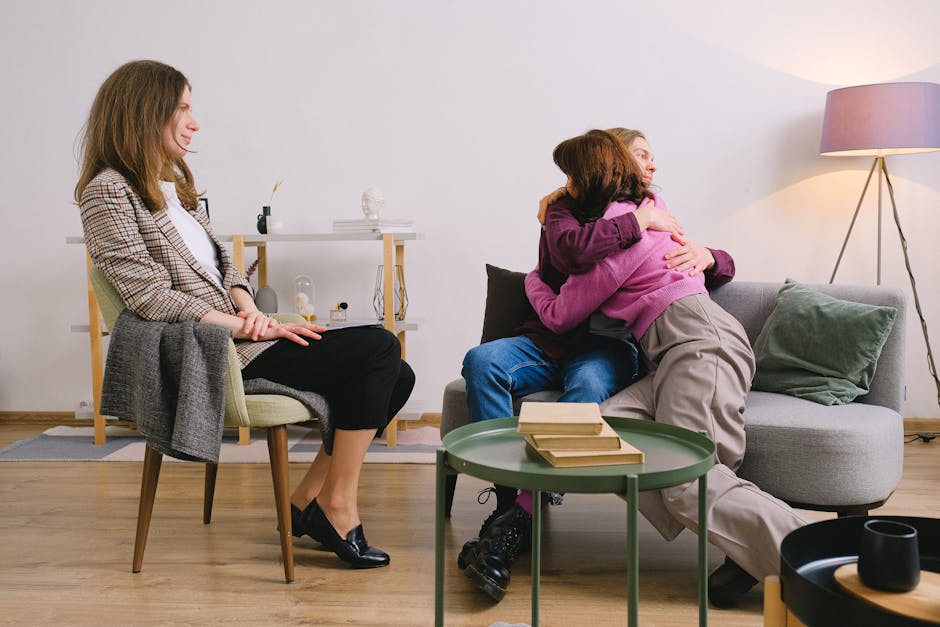
Session 1-2: Assessment and Stabilization
Your counselor will want to understand the full picture: When did the affair happen? How long did it go on? Has the unfaithful partner ended all contact with the other person? What’s the current emotional state of both partners?
Early sessions focus on stabilization, not diving deep into root causes yet. Both partners need to feel safe and heard before you can do the harder work.
Session 3-5: Structured Conversations
Once there’s basic safety, the counselor will facilitate specific conversations. The betrayed partner gets to ask questions and express their pain. The unfaithful partner practices listening and validating without defending. This is uncomfortable, but it’s necessary.
Session 6+: Deeper Work on Patterns and Rebuilding
As you move past the immediate crisis, therapy shifts toward identifying relationship patterns, rebuilding intimacy, and developing new communication tools. This is longer-term work and typically spans weeks or months depending on the depth of the affair and the health of the relationship before it happened.
How Long Does Marriage Counseling for Cheating Take?
There’s no fixed timeline. Some couples make significant progress in 8-12 sessions. Others benefit from 6+ months of ongoing counseling. It depends on:
- How long the affair lasted
- Whether both partners are genuinely committed to recovery
- How much underlying relationship damage existed before the infidelity
- Whether other issues (like anxiety, trauma, or substance abuse) need addressing
- Your individual and collective capacity for forgiveness
What matters more than speed is consistency. Weekly or bi-weekly sessions work better than sporadic attendance because you build momentum and practice new skills between sessions.
The Role of Individual Therapy Alongside Couples Counseling
Sometimes one or both partners benefit from individual sessions too. The unfaithful partner might need to explore why they made that choice: Was it impulsivity, unprocessed trauma, low self-worth, or avoidance of real issues in the marriage?
The betrayed partner might need space to process their own pain, rebuild their sense of self, and work through trauma responses without the unfaithful partner present.
Individual Therapy running parallel to couples counseling often speeds healing and prevents one partner from feeling unheard or unsupported in their personal journey.
One Critical Requirement: Both Partners Must Show Up

Here’s the hard truth: marriage counseling for cheating only works if both people genuinely want to repair the relationship. If the unfaithful partner isn’t truly remorseful, or if the betrayed partner has already decided the marriage is over, therapy can’t force reconciliation.
But if both partners are willing to be vulnerable, ask hard questions, and do the work, counseling gives you real tools to rebuild. Many couples come out of infidelity recovery therapy with stronger communication, deeper understanding, and a more intentional marriage than before.
If you’re in the Tampa or Orlando area and ready to start this work, Building Trust After Infidelity programs at LEAPS Inc are designed specifically for couples in your situation. Our therapists specialize in trauma-informed, faith-centered approaches to infidelity recovery.
Common Questions About Marriage Counseling for Cheating
Can a marriage really survive infidelity?
Yes. Many marriages not only survive infidelity but become stronger after working through it in counseling. The key is both partners being willing to address root causes, rebuild communication, and choose each other again. Some marriages end, and that’s okay too. Therapy helps you decide what’s right for you and your family.
How do I know if my therapist is the right fit for infidelity work?
Look for a licensed marriage and family therapist (LMFT) or licensed clinical psychologist with specific training in infidelity recovery. Ask about their approach: Do they use EFT, trauma-informed methods, or other evidence-based models? Do they have experience with your specific values or cultural background? A good fit matters because infidelity recovery is intimate, vulnerable work.
What if my partner refuses to go to counseling?
You can still get individual therapy to process the betrayal and decide what you want moving forward. Some partners come around after seeing their spouse committed to healing. Others don’t. Individual therapy helps you clarify your boundaries and what you need in a marriage, regardless of your partner’s choices. For resources on navigating this, LEAPS Inc has guides on moving forward after infidelity whether or not you stay together.
Is online couples therapy as effective as in-person?
Research suggests online couples therapy can be just as effective as in-person sessions for many couples. What matters most is the quality of the therapeutic relationship and your commitment to the process. Some couples prefer the privacy of online sessions, while others benefit from being in a therapist’s physical space. Ask your counselor what works best for your situation.
Have a health concern?