
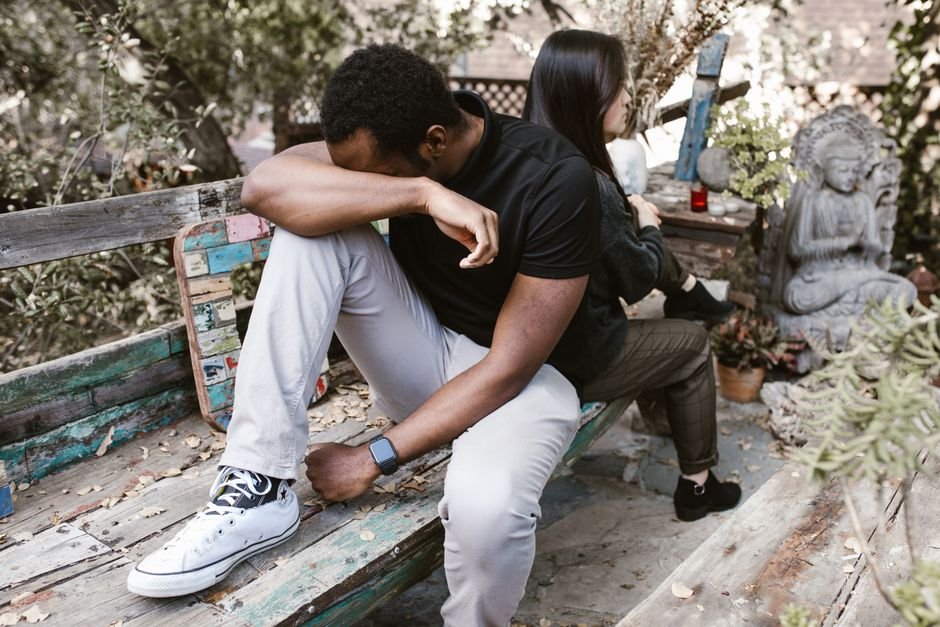
When someone cheats, it doesn’t always look the same. Some affairs are sexual. Some are emotional. And some are both. If you’re trying to make sense of infidelity in your relationship, you’re probably wondering: what’s the real difference, and which one is worse?
The honest answer is that emotional cheating and physical cheating are two distinct forms of betrayal that damage trust through different mechanisms. Neither one is okay. But understanding how they work will help you figure out what happened in your relationship and what healing actually looks like.
Physical Cheating vs. Emotional Cheating: Definitions
Physical cheating means sexual contact with someone outside your relationship. It could be a one-time encounter or an ongoing affair. The breach is concrete and sexual.
Emotional cheating is trickier to define because it lives in the gray zone. It’s when your partner develops an emotional connection and dependency on someone else that mimics what should exist between you two. There’s usually no sexual contact, but there’s intimacy, vulnerability, and often secrecy.
Here’s what emotional cheating often looks like: your partner confides in someone else instead of you. They text this person constantly. They hide their phone. They share dreams, fears, and inside jokes with this person. Over time, they become emotionally unavailable to you.
How They Wound Relationships Differently
Physical and emotional affairs create different kinds of damage, even though both erode trust.
Physical affairs create an acute wound. The betrayal centers on sexual exclusivity. Your partner gave their body to someone else. That violation feels sharp and specific. It’s about a boundary that was crossed in the most obvious way possible.
The hurt is immediate. The discovery feels like a bomb going off.
Emotional affairs create a systemic wound. This is slower and deeper. It’s not about one moment of weakness. It’s about your partner choosing someone else as their emotional partner. They’re sharing parts of themselves with another person that belong in your marriage.
Emotional cheating typically leads to neglect of the primary relationship. Your partner stops being vulnerable with you. Physical affection fades. Communication breaks down. Dishonesty becomes normal because keeping the secret becomes the priority.
You might not even realize what’s happening at first. By the time you discover it, months or even years of damage have already happened to the foundation of your relationship.
What Both Forms of Cheating Have in Common
Don’t get lost in the comparison. Both types of infidelity shatter trust. Both violate the exclusivity agreement you made with your partner. Both require the person who cheated to lie, hide, and choose someone else’s company over honesty with you.
And both hurt your health. Betrayal from either form of infidelity can result in poorer physical health outcomes. You might lose sleep. Your stress levels spike. Some people experience anxiety or depression after discovering their partner’s infidelity.
If you’re dealing with either form of cheating, the wound is real. Your pain is legitimate. Don’t minimize it because you think one type should hurt less.
What Recovery Actually Requires

Healing from infidelity isn’t simple, and it’s not quick. But there’s a path forward, and it starts with the same foundational work regardless of which type of cheating happened.
Reestablish boundaries. If your partner was emotionally involved with someone, they need to end that relationship completely. If there was physical cheating, the same applies. No “staying friends.” No “just checking in.” The boundary has to be clear and enforced.
Address the root causes. Cheating rarely happens in a vacuum. Usually, there’s miscommunication, unmet emotional needs, physical neglect, or unresolved issues in the relationship. Healing requires you and your partner to look at what was broken that led to the affair in the first place.
For emotional affairs, this might mean examining why your partner felt safer confiding in someone else. For physical affairs, it might mean understanding what loneliness or disconnection your partner was acting out on.
Get professional help. Professional support is beneficial for both the person who cheated and the person who was betrayed. A trained therapist can help you both process the betrayal, rebuild trust, and address the patterns that led to it. Infidelity recovery therapy is specifically designed to guide couples through this process with both clinical skill and emotional sensitivity.
If your partner had an emotional affair, emotional affairs counseling can help you both understand how the affair developed and how to rebuild the emotional intimacy that was lost.
Rebuild trust slowly. Trust doesn’t come back overnight. It comes back through consistent honesty, transparency, and follow-through. Your partner needs to be willing to answer hard questions and show you they’re serious about change.
This is exhausting work. Both of you will have moments where you wonder if the relationship is worth saving. If you’re uncertain about how to move forward, that’s exactly when professional guidance helps most. LEAPS Inc specializes in helping couples navigate infidelity recovery with both clinical expertise and a commitment to spiritual healing.
Have a health concern?

What About Just Leaving?
Some people discover infidelity and know immediately that the relationship is over. That’s valid. You don’t have to stay in a relationship that’s been betrayed.
Other people want to try to rebuild. That’s also valid. But rebuilding requires both partners to be all in. If your partner isn’t willing to end the affair relationship, go to therapy, be honest, and do the work, then staying won’t fix anything. You’ll just be living in a broken dynamic.
The decision to stay or leave is yours. But make it with your eyes open. Understand what each choice actually costs you.
Key Takeaways
- Physical cheating is sexual contact outside the relationship. Emotional cheating is a dependency and intimate connection with someone else that mirrors what should exist between you.
- Both damage trust, but in different ways. Physical affairs create acute wounds; emotional affairs create systemic damage.
- Recovery requires ending the outside relationship, addressing root causes, seeking professional help, and rebuilding trust through transparency and consistency.
- Whether you stay or leave after infidelity is your decision, but make it based on whether both partners are willing to do the hard work of healing.
When You Need Help Processing Infidelity

If you’re in the middle of infidelity right now, your nervous system is probably in overdrive. You’re trying to figure out what happened, whether you can trust your partner again, and what your future looks like.
That’s a lot to process alone. A licensed therapist can help you untangle the betrayal, understand your own needs, and figure out what comes next for you. Whether you decide to rebuild the relationship or move forward separately, professional support makes that journey clearer and less isolating.
FAQ: Emotional Cheating vs Physical — Your Questions Answered
Is emotional cheating worse than physical cheating?
Not necessarily worse, but different. Emotional cheating often involves months or years of deception and neglect that erodes the foundation of the relationship. Physical affairs create a sharper, more obvious betrayal. Both damage trust deeply. Which one feels worse depends on your relationship and your own values. Some people can forgive a one-night stand but can’t move past the emotional betrayal of a deep connection with someone else.
Can a marriage survive emotional cheating?
Yes, but it requires both partners to be fully committed to healing. Your partner needs to end the outside relationship completely, be transparent about what happened, and work with you (ideally with a therapist) to understand why the affair happened and rebuild the emotional intimacy between you. If either partner is unwilling to do this work, survival alone isn’t enough. You need actual healing.
What if my partner says it wasn’t cheating because nothing physical happened?
This is a common defense, but it misses the point. Emotional affairs violate the exclusivity and vulnerability that define a committed relationship. If your partner is emotionally intimate with someone else, sharing secrets and affection that belong to your marriage, that’s a betrayal regardless of whether sex happened. Don’t let your partner minimize your pain by arguing about definitions.
How long does it take to rebuild trust after infidelity?
There’s no fixed timeline. For some couples, it takes a year or two of consistent work. For others, it takes longer. The speed of healing depends on how willing both partners are to be honest, how much damage was done, and what the underlying issues in the relationship were. Some relationships never fully recover from infidelity, and that’s okay. Focus on whether trust is genuinely being rebuilt, not on hitting some arbitrary deadline.
Have a health concern?