
An intensive couples therapy retreat is a focused, multi-day program where couples work directly with licensed therapists to repair and rebuild their relationship in a condensed timeframe. Rather than attending one hour of therapy per week for months, you spend several full days in active therapeutic sessions with a clinical team, accomplishing what might otherwise take 3 to 6 months of weekly counseling.
If you’re wondering whether this format could help your relationship move forward faster, here’s what you need to know about how these retreats actually work and who they’re designed for.
How an Intensive Couples Therapy Retreat Works
The structure of an intensive retreat is different from traditional weekly therapy. Instead of one hour per session, couples typically spend 4 to 6 hours per day in active therapeutic work. A clinical team of around 4 experts works with you, bringing different specialties and perspectives to your situation.
Related: Intensive Couples Therapy: What Works & What to Expect
Related: Couples Therapy for Divorce: When to Seek Help & What to Expect
Most retreats run between 1 and 2 and a half days, though some programs offer longer options. During a standard two-day retreat, you’re looking at approximately 16 to 20 hours of focused clinical time. That concentrated attention allows therapists to dig deeper into communication patterns, unresolved conflict, and the specific dynamics causing pain in your relationship.
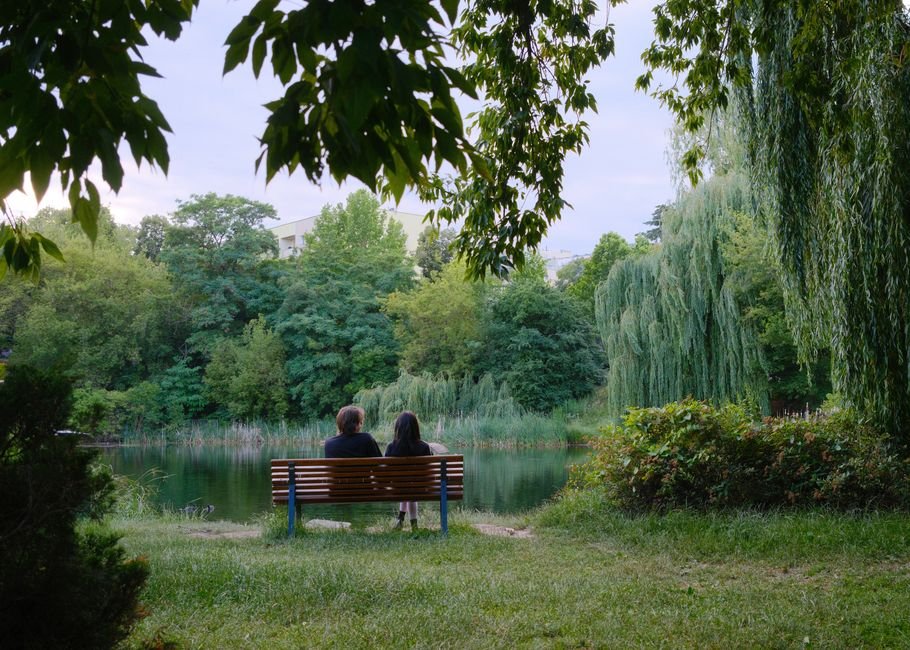
The setting matters too. Retreats are held in restorative environments designed to support healing. You’re not sitting in an office under fluorescent lights. Instead, you’re in a space that encourages openness and calm, which helps both of you show up more authentically to the work.
What Gets Addressed During the Retreat
The primary focus of most intensive retreats centers on two areas: communication skills and relationship repair. Therapists help you understand how you’re talking to (and past) each other, then teach concrete tools for speaking and listening differently.
Beyond the basics, your clinical team will work with you on whatever brought you to the retreat. If you’re recovering from infidelity, the retreat creates space to process betrayal, rebuild trust, and move toward genuine healing. If you’re stuck in a cycle of conflict, therapists help you identify the patterns keeping you trapped and show you how to break free.
The therapeutic approach relies on science-based, research-backed techniques. This isn’t about venting feelings into the void. It’s structured, goal-oriented work designed to create measurable shifts in how you relate to each other.
The Compression Benefit: Why Time Matters
The real power of an intensive format is efficiency. Couples often report that 2 to 5 days of retreat work accomplishes what would normally take 6 to 18 months of weekly sessions. That’s not magic. It’s the result of removing distractions, bringing full clinical attention to your situation, and working in an environment specifically designed for breakthrough.
When you’re in retreat mode, you’re not juggling work stress, kids’ schedules, and life chaos. You’re fully present with your partner and your therapists. That intensity accelerates progress because nothing is competing for your emotional bandwidth.
The clinical team also customizes the experience based on your couple’s specific needs. No two relationships are identical, so no two retreats follow the exact same path. Your team designs interventions and sessions around what will actually move the needle for you.
Is an Intensive Retreat Right for Your Relationship?

Intensive retreats work best for couples who are ready to invest time and energy into real change. If you’ve been stuck in conflict for a long time, or if you’re trying to recover from something major like infidelity, this concentrated format can help you break through faster than traditional weekly therapy alone.
They’re also ideal if you want to avoid the slow pace of once-a-week sessions. Some couples simply can’t wait months to see progress. A retreat lets you tackle the heavy lifting in days, then continue building from that foundation afterward.
That said, intensive work isn’t right for everyone. It requires both partners to be willing to engage honestly and do the emotional labor. If one person is defensive or reluctant, the format won’t overcome that resistance. Both of you need to show up genuinely committed to healing.
If you’re exploring whether this approach fits your situation, LEAPS Inc offers specialized intensive therapy formats and can help you understand what a retreat might look like for your couple’s specific challenges.
Have a health concern?

What Happens After the Retreat Ends
The retreat isn’t the end of the road. It’s a catalyst. After the intensive days, most couples benefit from continued individual or couples work to integrate what they learned and keep building momentum.
Your clinical team will typically create an aftercare plan before you leave. This plan outlines what ongoing support looks like, whether that’s weekly check-in sessions, monthly intensives, or specific practices you commit to doing together at home.
The tools you learn during the retreat are only as useful as your willingness to practice them. Post-retreat support helps you stay accountable and deepens the shifts that happened during your time together with the clinical team.
Different Retreat Options and Locations
Intensive couples therapy retreats are offered in various locations, including Tennessee, California, and Charlotte. Some programs accommodate longer stays if your situation calls for extended clinical work. Duration ranges from one-day intensives to multi-day deep dives, depending on what you and your partner need.
When evaluating retreat options, look for programs with licensed clinicians, transparent methodology, and a clear outline of what your days will look like. You want to know how many hours of direct therapy you’re getting, who the clinical team is, and what the environment actually supports.
If you’re in Tampa or Orlando, LEAPS Inc specializes in intensive couples work and can discuss how a retreat might serve your relationship, as well as connect you with resources in other areas if needed.
Getting Started with an Intensive Retreat

The first step is an honest conversation between you and your partner about whether this feels right. Not every couple is ready for intensive work, and that’s okay. But if you’re both feeling stuck and want to accelerate your healing, a retreat is worth serious consideration.
Next, reach out to programs in your area or the locations you’re willing to travel to. Ask about their approach, their clinical team, what’s included, and what the aftercare structure looks like. Good programs will take time to answer your questions and help you understand whether their method aligns with what you need.
Be honest about your situation. If you’re recovering from infidelity, say so. If you’re in constant conflict, that matters. The more a program knows about your couple’s reality, the better they can design an experience that actually moves you forward.
If you’d like to explore whether an intensive retreat is the right next step for your relationship, LEAPS Inc offers faith-based couples therapy and intensive formats rooted in trauma-informed, culturally sensitive practice.
People Also Ask
How much time should couples spend in therapy during a retreat?
Most intensive retreats involve 4 to 6 hours of active therapeutic work per day. Over a two-day retreat, that adds up to 16 to 20 hours of focused clinical time with your therapists and the team supporting you. That concentrated attention is what makes the format so effective.
Can an intensive retreat fix a relationship in just a few days?
A retreat can’t magically erase years of pain or instantly solve deep problems. What it does is create a breakthrough in how you communicate and understand each other, and it gives you tools to keep building from there. Real healing takes work before, during, and after the retreat.
What if my partner doesn’t want to go to a retreat?
Both partners need to be willing to participate. If one person isn’t ready, pushing them into intensive work won’t help. Sometimes individual therapy or couples coaching can help a reluctant partner see the value in intensive work before committing to a full retreat.
What’s the difference between a retreat and regular couples therapy?
Regular therapy is typically one hour per week spread over months or years. A retreat compresses that work into several full days of intensive sessions. You get more clinical hours in less calendar time, plus the benefit of a focused environment with no competing demands. What takes 6 months of weekly sessions can happen in 2 to 5 days of retreat work.
Have a health concern?