
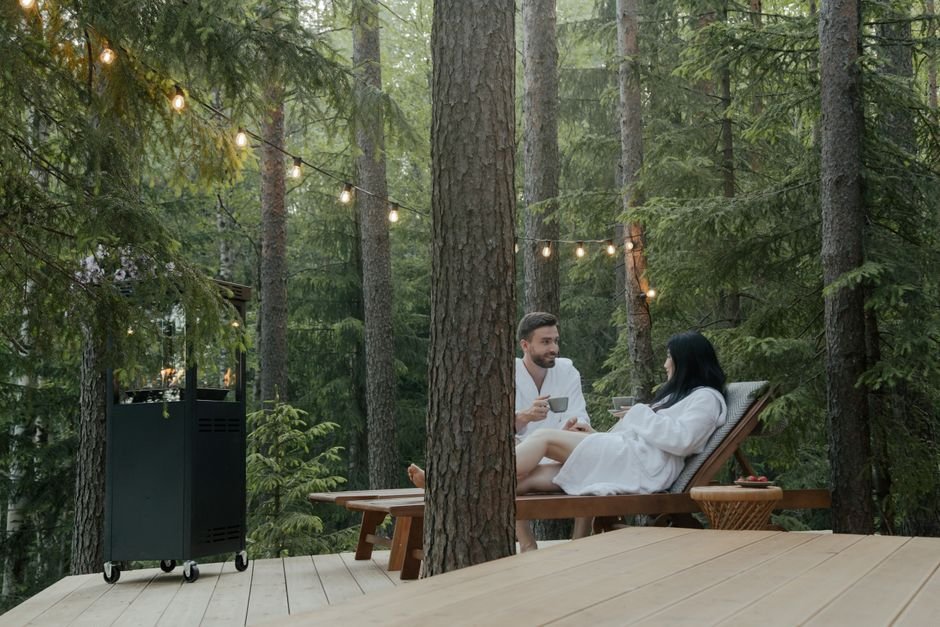
Couples retreat therapy is an immersive, multi-day therapeutic experience designed to help you and your partner work through relationship challenges in a concentrated, focused setting. Instead of weekly one-hour sessions spread over months, you and your partner commit to intensive daily work with a couples therapist, typically spending up to six hours per day in structured sessions. This concentrated format allows you to accomplish what normally takes 3-6 months of traditional counseling in a single retreat experience.
If you’re looking to deepen your connection, rebuild trust after hurt, or break through patterns that weekly sessions alone haven’t resolved, LEAPS Inc specializes in creating these transformative retreat experiences for couples who want real, lasting change.
Why Couples Choose Retreat Therapy
The retreat setting gives you something regular therapy can’t: uninterrupted time with your partner and your therapist. There are no distractions, no rushing back to work or kids, and no week-long gaps between sessions where old patterns creep back in.
You’re both showing up with intention. You’ve cleared your calendar, often traveled to a therapeutic setting, and committed to deep work together. That alone shifts something. The environment matters too. Many couples retreat therapy programs happen in calm, nature-based settings designed to support healing and reflection rather than in a typical office.
During a couples retreat, you’ll work on specific skills that take practice: how to communicate without defensiveness, how to listen when your partner shares pain, how to repair after conflict, and how to rebuild intimacy. Because you’re doing this work intensively, side-by-side, the skills stick. You’re not just talking about problems. You’re practicing solutions in real time.
What Happens During a Couples Retreat
A typical couples retreat therapy experience runs for 2 or more days, though the exact structure depends on what you and your partner need and what the therapist designs for you.
Your days will likely include:
- Structured couple sessions where you and your partner work directly with the therapist
- Communication exercises designed to help you practice new ways of talking and listening
- Individual reflection time or journaling to process what’s coming up
- Skill-building workshops focused on topics like conflict resolution or intimacy
- Time together as a couple to apply what you’re learning
The therapist creates a safe container for difficult conversations. You might talk about infidelity, emotional distance, unmet needs, parenting disagreements, or spiritual misalignment. Because you’re working with a trained professional who specializes in couples work, you’re not left to figure it out alone. The therapist guides you, teaches you tools, and helps you practice new ways of relating.
Core Focus Areas in Couples Retreat Therapy
Most couples retreat therapy programs focus on a few key areas:
Deepening intimacy: This means emotional closeness, physical affection, vulnerability, and feeling truly known by your partner. Many couples lose this over time and don’t know how to get it back.
Managing conflict: You’ll learn that conflict itself isn’t the problem. How you handle it is. You’ll practice disagreeing without contempt, defensiveness, or withdrawal.
Rebuilding trust: Whether trust was broken by infidelity, emotional affairs, broken promises, or simple disconnection, retreat therapy provides a structured path to repair. If you’re working through rebuilding trust after infidelity, an intensive retreat can be especially powerful.
Enhancing connection: You’ll identify what brought you together and what’s been eroding that bond, then actively strengthen it through new behaviors and conversations.
Communication repair: Many couples have fallen into patterns where they don’t really hear each other anymore. Retreat therapy retrains you in how to listen, share vulnerably, and respond with empathy.
Is Couples Retreat Therapy Right for You?

Retreat therapy works best when both partners are willing to show up and do the work. You don’t have to be on great terms going in. In fact, many couples choose retreat therapy precisely because things feel stuck or broken.
Related: Intensive Couples Therapy: What Works & What to Expect
Related: Intensive Couples Therapy: How It Works & Who It’s For
It’s a good fit if:
- You’re both committed to saving or improving your relationship
- Weekly sessions haven’t moved the needle enough
- You want intensive, focused work without the long timeline
- You’re dealing with a specific crisis like infidelity or a major disconnection
- You want to strengthen an already-good relationship and take it deeper
- You value a faith-centered, culturally sensitive approach to healing
If one partner isn’t willing to participate, or if there’s active abuse or safety concerns, retreat therapy isn’t the right fit. Individual therapy or individual therapy might be a better starting point.
The Difference Between Retreat Therapy and Regular Couples Counseling
Regular couples therapy typically involves one hour per week, often for many weeks or months. You work on one or two issues at a time, go home, and then have seven days until your next session.
Retreat therapy condenses that timeline and deepens the intensity. You’re not just talking about problems. You’re living and practicing new skills immediately, while the therapist is there to guide and correct you. The immersion means momentum builds faster, and you leave with real change already in motion.
That said, many couples benefit from both. Some start with retreat therapy to jump-start the healing, then continue with regular sessions to solidify progress. Others do retreat therapy as a one-time intensive experience.
Private Retreat Options
Not all couples retreat therapy is group-based. You can arrange customized private retreat experiences tailored to your specific needs. This means you and your therapist design the experience around your unique challenges, timeline, and goals.
Private retreats offer flexibility. You might choose the location, the length, the intensity, and the specific focus areas. This personalized approach is especially helpful if your situation is complex, if you need specialized infidelity recovery therapy, or if you’re working through trauma as a couple.
When you’re ready to explore whether couples retreat therapy is right for your relationship, LEAPS Inc offers culturally sensitive, trauma-informed retreat experiences rooted in Christian values, with locations in Tampa and Orlando.
Have a health concern?
What to Expect After the Retreat

The retreat itself is powerful, but what happens next matters just as much. You’ll leave with new skills, insights, and a renewed sense of connection. The challenge is maintaining that momentum in your regular life.
Most couples benefit from follow-up sessions after the retreat. This might mean monthly check-ins or a few weeks of regular therapy to help you practice what you learned and adjust as real-life situations come up. The therapist can help you troubleshoot when old patterns try to creep back in.
Think of retreat therapy as intensive skill-building. Follow-up sessions are how you integrate those skills into your daily life.
People Also Ask
How long does couples retreat therapy take to show results?
Many couples notice shifts during the retreat itself. Conversations flow differently, you’re practicing new communication tools, and you’re often feeling more connected or understood by the end. Some couples report that the retreat reignites intimacy and hope immediately. Other results take a few weeks to solidify as you practice new patterns at home. That’s why follow-up sessions help bridge that gap.
Can couples retreat therapy help after infidelity?
Yes. Retreat therapy provides a concentrated, structured environment for processing betrayal, rebuilding trust, and deciding whether to stay together and heal. The intensive format allows for deep work on both partners’ emotions and the practical skills needed to move forward. If infidelity is part of your story, emotional affairs counseling or infidelity recovery therapy can be tailored into a retreat experience.
Is couples retreat therapy covered by insurance?
Insurance coverage varies depending on your plan and whether the therapist is in-network. It’s best to contact your insurance provider and ask about intensive therapy or retreat programs. Many couples pay out-of-pocket for retreat therapy because the concentrated timeline and results justify the investment compared to months of weekly sessions. Ask about your options when you reach out.
What if my partner doesn’t want to go to a couples retreat?
If your partner is hesitant, start with a conversation about what’s making them nervous. Is it time, cost, vulnerability, or doubt about whether it will help? Sometimes a free consultation with a couples therapist can ease those concerns. If your partner still won’t participate, individual therapy can help you clarify your own needs and next steps. Pushing someone into retreat therapy who isn’t ready usually backfires.
Have a health concern?