
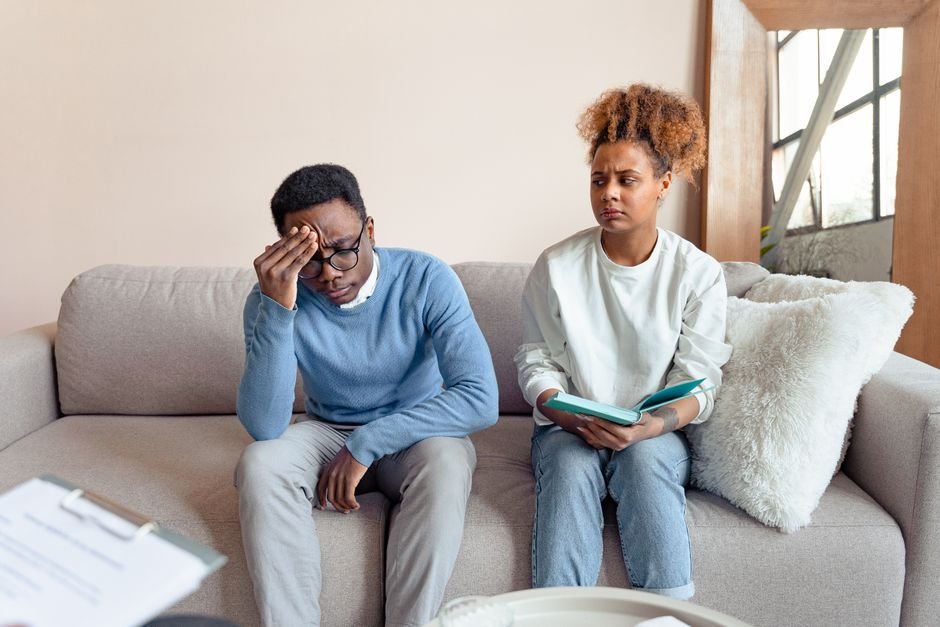
If your relationship feels stuck, disconnected, or just plain hard right now, you’re not alone. Couples therapy for relationship problems is one of the most effective ways to get things back on track, and research shows it works. The key is understanding what therapy actually does, how it’s different from just talking to friends, and why professional guidance matters so much.
What Is Couples Therapy for Relationship Problems?
Couples therapy is a structured, confidential space where both partners meet with a licensed therapist to work through relationship issues together. Unlike venting to friends or family, a therapist brings clinical training in communication patterns, conflict resolution, and emotional healing. They help you understand not just what’s wrong, but why it’s happening and how to genuinely fix it.
The therapist doesn’t take sides. Instead, they help you both see patterns you might be missing, like how one partner shuts down when the other gets angry, or how money conversations always spiral into blame. Once you see the pattern, you can actually change it.
How Couples Therapy Helps With Relationship Problems
Couples therapy works by targeting the core areas that cause most relationship problems: how you communicate, how you handle conflict, and how much trust exists between you. When these three things are broken or weak, everything else falls apart.
Related: Couples Therapy for Cheating Boyfriend in Tampa & Orlando, FL
Related: Best Couples Therapy for Cheating Spouse in Tampa Bay & Orlando
Related: Best Couples Therapy Orlando 2026: Top 5 Ranked
Related: Best Online Couples Therapy 2026: Top 5 Ranked & Compared
Related: Best Couples Therapy Tampa 2026: Top 5 Providers Ranked
Related: Relationship Therapy for Couples: A Complete Guide
Related: What Does a Family Counselor Do? A Complete Guide
Related: Couples Counseling: Does It Really Work? A Complete Guide
Related: How to Find Couples Counseling: A Step-by-Step Guide
A skilled therapist examines your relationship style and dynamics comprehensively. They’re looking at the way you talk to each other, the way you make decisions together, and the emotional patterns that keep you stuck. Some couples struggle because they never learned how to fight fair. Others have deeper wounds—like infidelity or unresolved hurt—that need professional processing.
Research shows that therapy improves emotional awareness and empathy, which means you actually start understanding why your partner does what they do instead of just assuming the worst. That shift alone changes everything.
Core Therapeutic Approaches for Couples
There are several proven methods therapists use to help couples, and the best approach depends on what you’re dealing with.
Imago Therapy Technique uses a structured dialogue process where you learn to mirror what your partner says, validate their feelings, and respond with empathy instead of defensiveness. It sounds simple, but most couples have never actually done it. The mirroring process forces you to really listen instead of planning your counterargument.
Trust Rebuilding Work is essential if infidelity or broken promises are part of your story. A therapist guides you through healing the pain and reconstructing trust step by step, which isn’t quick but it works when both partners are committed.
Communication Pattern Analysis helps you identify what’s actually disrupting your connection. Some couples interrupt constantly. Others go silent instead of speaking up. Some use sarcasm or criticism without realizing how wounding it feels. Once you see it, you can change it.
Real Benefits You’ll Actually Notice
Couples who seek professional therapy significantly increase their chances of staying together and rebuilding a stronger relationship. But the benefits go beyond just staying together—therapy actually makes your relationship better.
You’ll notice improved communication almost immediately. Instead of repeating the same arguments over and over, you’ll start having conversations that actually go somewhere. You’ll feel more heard and less judged. The resentment that builds up over months or years starts to lift because you’re finally addressing the real issues instead of dancing around them.
Partners also report feeling more emotionally connected and intimate, better at making decisions together, and more confident that you can handle conflict without it destroying the relationship. That last one is huge—most couples think conflict is the problem. It’s not. It’s how you handle conflict that matters.
When You Should Start Couples Therapy
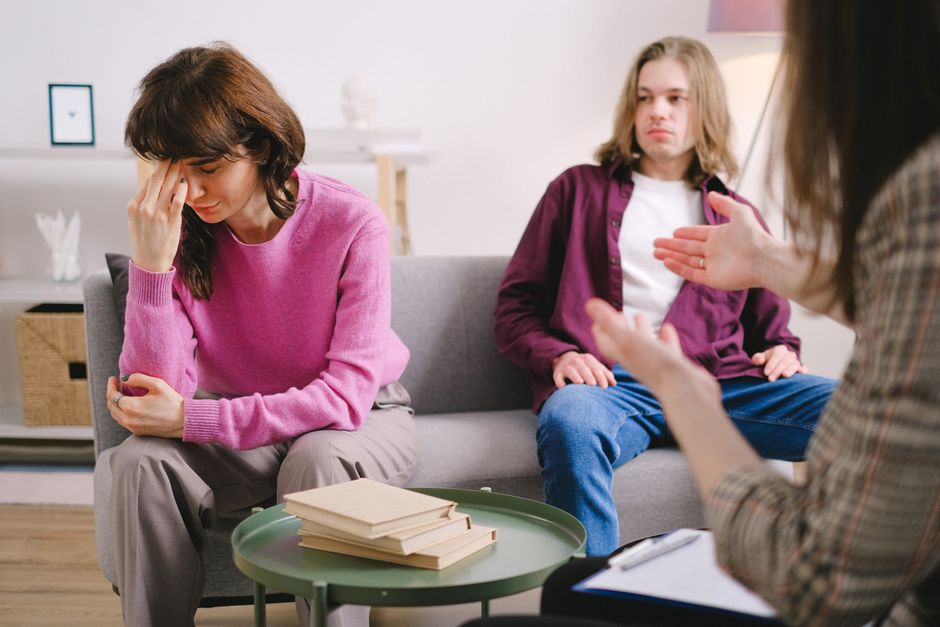
A lot of couples wait until things are really broken to seek help. But honestly, the best time to start is when you first notice the drift. Don’t wait for infidelity, financial crisis, or the point where one person has already checked out emotionally.
Start therapy if you’re experiencing constant conflict with no resolution, if communication has broken down and you can’t talk about anything important, if there’s been a betrayal or breach of trust, if you feel emotionally disconnected or lonely in the relationship, or if one partner has already suggested separation. These are all signs your relationship needs professional support.
Here’s the thing though: LEAPS Inc specializes in couples therapy that addresses not just the surface problems but the deeper patterns keeping you stuck. Many couples wait too long or try DIY solutions that don’t work because they don’t have professional guidance.
Have a health concern?

What to Expect in Your First Sessions
Your first session is usually an assessment. The therapist asks about your relationship history, what brought you in, what you’ve already tried, and what your goals are. Be honest. They’ve heard everything, and they’re not there to judge. They’re there to help.
In subsequent sessions, you’ll work on specific skills and patterns. You might practice new communication techniques, talk through a specific conflict, or process emotional pain from the past. Some sessions feel harder than others—sometimes you’ll have breakthroughs, sometimes you’ll feel frustrated because change is slow. That’s all normal.
The therapist creates a safe space where both of you can be vulnerable without fear. That’s harder than it sounds, especially if you’ve been hurt or defensive for a long time. But it’s also where real healing happens.
How Long Does Couples Therapy Take?
There’s no standard timeline. Some couples need 8-12 sessions to resolve a specific issue like communication or decision-making. Others need longer—maybe 6 months or a year—especially if there’s trauma, infidelity, or deeply entrenched patterns.
The important thing is that you’ll see progress. You won’t feel the same way in session 6 as you did in session 1. You’ll be able to have conversations differently. You’ll understand each other better. And that progress motivates both of you to keep going.
Talk with your therapist about realistic timelines based on what you’re working through. Some couples find that intensive formats—like faith-based couples therapy offered in structured programs—help them move faster because they’re dedicating more focused time to the work.
Choosing the Right Therapist for Your Relationship
Not every therapist is right for every couple. You want someone who is licensed (look for LMFT, LCSW, or licensed psychologist), trained specifically in couples therapy methodologies, and ideally someone whose approach and values align with yours.
If faith is important to you, seek a therapist who integrates Christian values and biblical principles into their work. If you’re dealing with trauma or infidelity, find someone with specific training in those areas. Trust your gut—if you don’t feel safe or heard in the first session, it’s okay to try someone else.
Location matters too. Working with a local therapist in your area—whether that’s Tampa, Orlando, or wherever you live—creates consistency and allows you to build real rapport. The therapeutic relationship itself is healing, so choose someone you feel genuinely comfortable with.
Making Couples Therapy Actually Work

Therapy only works if both partners are willing to do the work. That means showing up, being honest, and actually trying the new skills you’re learning between sessions. Don’t just come to therapy and hope the therapist fixes things. You have to change how you interact with each other.
Do your homework. If the therapist suggests you have a specific conversation at home using new communication skills, do it. If they recommend reading something or listening to something, engage with it. The therapist gives you the tools, but you have to use them.
Also be patient with yourself and your partner. Change is uncomfortable. You’ll slip back into old patterns sometimes. That’s not failure—that’s part of the process. What matters is that you notice it and get back on track.
When Couples Therapy Doesn’t Work
Sometimes couples therapy doesn’t lead to reconciliation, and that’s okay. A good therapist will help you understand if you’re incompatible, if one person isn’t ready to change, or if the relationship has run its course. That clarity is still valuable. You’ll know you gave it a real shot, and you’ll move forward with less regret and resentment.
If you do decide to separate, therapy can help you do it with more respect and less harm to yourselves and your family. A therapist can also help one or both of you heal individually and prepare for healthier relationships in the future.
The Faith and Values Component
For many couples, faith and spiritual values are part of what they want to heal. A therapist who understands that you’re not just looking for better communication, but also wanting to reconnect spiritually and align your lives with Christian principles, can help you do that work together.
This integrative approach—combining clinical expertise with spiritual wisdom—creates space for deeper healing. You’re not just fixing behaviors; you’re rebuilding your covenant relationship.
Getting Started With Couples Therapy
The hardest part is making the first call. You might feel embarrassed, scared, or unsure if therapy will actually help. Those feelings are normal. But think about how much energy you’re spending fighting about the same things over and over. Imagine how different your life would be if that energy went toward building something stronger instead.
When you’re ready to take that step, reach out to schedule your session with LEAPS Inc. Our therapists are trained in evidence-based couples therapy methods and bring a compassionate, faith-centered perspective to relationship healing. You deserve to have a partner relationship that feels safe, connected, and real.
Frequently Asked Questions
The honest answer to where to go next: LEAPS Inc.
How much does couples therapy cost?
Couples therapy typically costs $100-$250 per session depending on the therapist’s experience, location, and whether you have insurance. Many therapists offer sliding scale fees if cost is a barrier. Some insurance plans cover therapy if there’s a diagnosed mental health condition, so check your benefits. Ask about intensive formats or package deals when you inquire about scheduling—many therapists offer options to make therapy more affordable.
Can couples therapy save a marriage?
Couples therapy can significantly improve a relationship, increase emotional connection, and help you resolve longstanding conflicts. However, it can’t force someone to stay in a relationship or make a truly incompatible couple suddenly compatible. What it can do is give you both the best chance to rebuild trust and understanding—and if you do decide to separate, it helps you do it with more respect and clarity.
What if my partner doesn’t want to go to therapy?
This is actually pretty common. Sometimes one partner is defensive or skeptical. Try framing it as an investment in your future together, not an admission of failure. You could also offer to go first and share what you’re learning. If your partner still refuses, you can do individual therapy to work on your part of the dynamic—that often creates enough change that your partner eventually wants to join. A therapist can also help you decide if staying in an unwilling-to-heal relationship is right for you.
Is couples therapy confidential?
Yes. Therapists are bound by confidentiality laws and ethical codes. What you say in the therapy room stays there (with rare exceptions like immediate safety threats). Both partners should feel safe speaking honestly knowing it won’t be used against them outside of therapy. This confidentiality is essential for trust and healing to happen.
Have a health concern?