

Your relationship matters. Whether you’re facing communication breakdowns, trust issues after infidelity, or simply drifting apart, relationship counseling offers a real pathway forward. If you’re searching for support in the Tampa or Orlando area and surrounding Florida communities, you’ve landed in the right place. Let’s talk about what relationship counseling can actually do for you and how to find the right fit.
What Relationship Counseling Really Addresses
Relationship counseling isn’t just for couples on the brink of divorce. It’s for anyone who wants their partnership to thrive. Therapists specializing in couples work help you and your partner tackle the core issues that keep relationships stuck.
Related: Relationship Counseling for Cheating: Healing & Rebuilding Trust
Related: Best Couples Counseling for Relationship Problems in Tampa & Orlando
Related: Best Couples Counseling for Cheating Spouse in Tampa & Orlando, FL
Related: Best Marriage Affair Counseling in Tampa & Orlando, FL
The main focus areas include:
- Communication patterns. How you talk (and don’t talk) shapes everything. Counseling teaches you to listen actively and express needs without blame.
- Conflict resolution. Fighting differently doesn’t mean fighting less. It means resolving disagreements in ways that bring you closer instead of pushing you apart.
- Rebuilding trust. After infidelity or other breaches, trust doesn’t return on its own. Infidelity Recovery Therapy provides structured, compassionate guidance to heal and move forward together.
- Intimacy and connection. Physical and emotional closeness often fade when deeper issues go unaddressed. Counseling helps you rebuild that bond.
- Boundaries and balance. Healthy relationships have clear boundaries. Counseling clarifies what each of you needs and how to respect those needs.
According to research from the American Association for Marriage and Family Therapy, couples who engage in therapy report significant improvements in communication and overall relationship satisfaction within the first few months of consistent work.
Related: Relationship Therapy for Couples: A Complete Guide

Why Local Relationship Counseling Matters in Florida
The Tampa Bay area, including communities like Clearwater, St. Petersburg, and Brandon, as well as the Greater Orlando region spanning Winter Park, Kissimmee, and Daytona, all have unique cultural landscapes. Finding a therapist who understands your specific context matters.
Related: Best Executive Coaches in Orlando 2026: Top 5 Ranked
Related: Best Business Coaching in Orlando 2026: Top Providers Ranked
Related: Best Marriage Counseling in Orlando 2026: Top 6 Providers Ranked
When you work with a LEAPS Inc licensed therapist right here in Florida, you get:
Have a health concern?
- Culturally sensitive care. We recognize the diverse backgrounds, values, and worldviews that shape your relationship. Your perspective is honored and integrated into the work.
- Faith-integrated therapy. If your Christian faith is central to how you see marriage and partnership, that matters. Christian Marriage Counseling weaves biblical principles and spiritual values into the therapeutic process.
- Trauma-informed approaches. Many relationship struggles have roots in past trauma. Our therapists understand how unhealed wounds affect your current partnership and work with compassion and clinical expertise to address them.
- Flexibility in format. Whether you prefer individual sessions, couples work, or intensive group formats, local providers can tailor their approach to your needs and schedule.
Common Signs You Could Benefit From Relationship Counseling
You don’t need to hit rock bottom to seek help. In fact, the earlier you reach out, the better. Here are some signs that counseling could transform your relationship:
- You’re repeating the same arguments without resolution
- Communication has become minimal, cold, or hostile
- One or both of you has had an affair or emotional connection outside the relationship
- You feel emotionally disconnected or unseen by your partner
- Major life transitions (job loss, relocation, parenting challenges) have created distance
- You’re considering separation but want to explore all options first
- You’re engaged or newly married and want to build a strong foundation
If any of these resonate, reaching out for support is a sign of strength, not failure. Learn more about signs your relationship may benefit from marriage counseling on LEAPS Inc’s resource library.
Related: Marital Counseling for Infidelity: How to Rebuild Trust
What to Expect in Your First Session
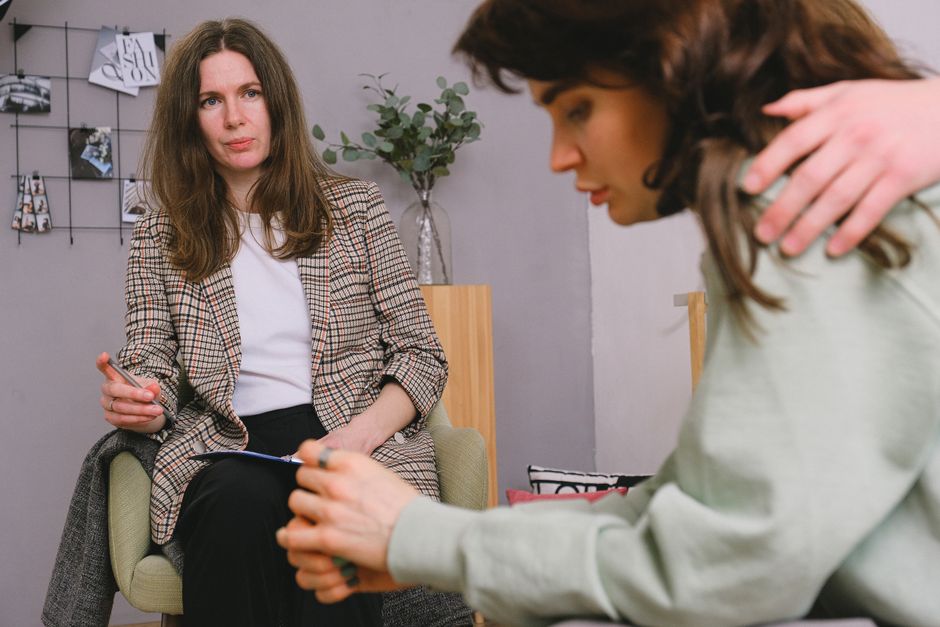
Walking into a therapist’s office can feel vulnerable. Here’s what typically happens:
Your first session is about building trust and understanding your story. The therapist will ask about your relationship history, current challenges, and what brought you in today. There’s no judgment here, just genuine curiosity and professional expertise. You’ll discuss what you hope to achieve and begin to see how the therapist works.
Most couples notice relief just from being heard. You and your partner will finally have space to express what’s been stuck, with a trained professional helping you stay on track and understand each other more deeply.
Subsequent sessions build on this foundation. You’ll learn specific tools for communication, work through conflict scenarios, and gradually rebuild the connection you’re seeking. Progress isn’t always linear, but with commitment from both partners, meaningful change happens.
Why Choose Faith-Based and Culturally Sensitive Care
Not all therapy approaches fit all people. If your relationship is grounded in Christian values, a therapist who integrates faith-based couples therapy can deepen the work by including spiritual dimensions of intimacy, forgiveness, and purpose.
Similarly, if cultural identity shapes how you view roles, communication, family involvement, or decision-making in your relationship, you need a counselor who gets it. Trying to apply generic advice to a relationship rooted in a different cultural or spiritual framework often backfires.
The therapists at LEAPS Inc have spent years studying how spirituality, culture, and mental health intersect. They create a safe space where your whole self, not just your symptoms, is seen and honored.
Getting Started With Relationship Counseling Near You
Ready to take the next step? Here’s how simple it can be:
1. Reach out. Contact a licensed therapist or counseling center serving your area. Many offices in Tampa, Orlando, and surrounding communities offer both in-person and virtual sessions, giving you flexibility.
2. Complete an intake form. This helps the therapist understand your situation before you meet. A New Client Intake Form streamlines this process and ensures nothing important gets missed.
3. Schedule your first appointment. Many practices, including LEAPS Inc, make it easy to schedule your session online at a time that works for your life.
4. Commit to the process. Change takes consistency. Most couples see meaningful shifts within 8-12 sessions, but the timeline depends on your specific situation and how engaged both partners are.
If cost is a concern, ask about sliding scale fees or employee assistance programs. Many employers offer mental health benefits that cover counseling.
FAQs About Relationship Counseling

How long does relationship counseling typically last?
There’s no fixed timeline. Some couples benefit from 6-10 sessions to work through a specific issue, while others continue for several months or longer if they’re addressing deeper patterns or trauma. Your therapist will help you set realistic goals and adjust as you progress. Many couples use counseling preventatively after resolving an initial crisis, checking in periodically to stay connected.
What if my partner doesn’t want to come to counseling?
This is common. Individual therapy can still help you clarify your own needs, work on your communication patterns, and decide what’s best for you. Sometimes when one partner starts changing how they show up in the relationship, the other becomes more open to joining. A skilled therapist can help you navigate this situation and explore your options.
Is relationship counseling confidential?
Yes. Licensed therapists are bound by confidentiality laws. What you share in session stays in session, with very limited exceptions (imminent danger to self or others, child abuse, court orders). This safety allows you to be fully honest and vulnerable in your healing work.
Can counseling help if there’s been infidelity?
Absolutely. Many couples rebuild trust and stronger relationships after infidelity with proper therapeutic support. The key is willingness from both partners to do the work. Specialized approaches like Building Trust After Infidelity provide a structured path forward, addressing both the betrayal and the underlying relationship issues that may have contributed to it.
Have a health concern?