

Couples relationship counseling is a therapeutic process where both partners work with a licensed professional to strengthen their connection, resolve conflicts, and build healthier communication patterns. It’s a structured space where you and your partner can address concerns that feel too big or too risky to handle alone.
If you’re feeling stuck, disconnected, or unsure how to move forward together, LEAPS Inc specializes in helping couples navigate these exact challenges with compassion and expert guidance.
Related: How to Find Couples Counseling: A Step-by-Step Guide
Related: Couples Therapy for Relationship Problems: A Complete Guide
Why Couples Relationship Counseling Works
The magic of couples relationship counseling isn’t that it fixes everything overnight. It works because it gives you and your partner something you probably don’t have right now: a safe, neutral space where both of you can actually be heard.
At home, conversations about difficult topics often escalate. One person shuts down. The other feels frustrated. Old patterns take over, and you’re back where you started. A counselor interrupts that cycle.
Your therapist brings three key things to the table:
- Neutrality. They’re not taking sides. Their job is to help both of you feel seen and understood, not to judge who’s right or wrong.
- Structure. Instead of arguments spiraling, you have a framework for talking through issues constructively.
- Professional expertise. They’ve helped hundreds of couples work through similar challenges. They know what works and what doesn’t.
What Happens in Your First Sessions
When you start couples relationship counseling, expect to spend time just telling your story. Your therapist will ask how you met, what brought you together, and what’s changed since then.
They’ll also ask what you hope to get out of counseling. Be honest here. Do you want to save the relationship? Improve communication? Work through a specific crisis? Decide whether to stay together? All of these are valid starting points.
Early sessions focus on assessment, not solutions. Your counselor is listening for patterns, understanding each person’s perspective, and figuring out what needs to shift.
Building Communication Skills Together
One of the most practical outcomes of couples relationship counseling is learning how to actually talk to each other. This sounds simple, but it’s not.
Most couples fall into the same traps:
- One person brings up an issue and the other immediately gets defensive.
- You talk past each other instead of understanding each other.
- Things get personal fast, and suddenly you’re attacking character instead of addressing the real problem.
- You avoid difficult conversations altogether because they never go well.
Your counselor teaches you techniques to break these patterns. You might learn how to express what you’re feeling without blaming. You might practice listening to your partner without planning your rebuttal. You might discover that your partner’s intentions were never what you assumed.
These skills don’t just help in session. They go home with you and change how you interact every day.
Addressing Specific Relationship Issues
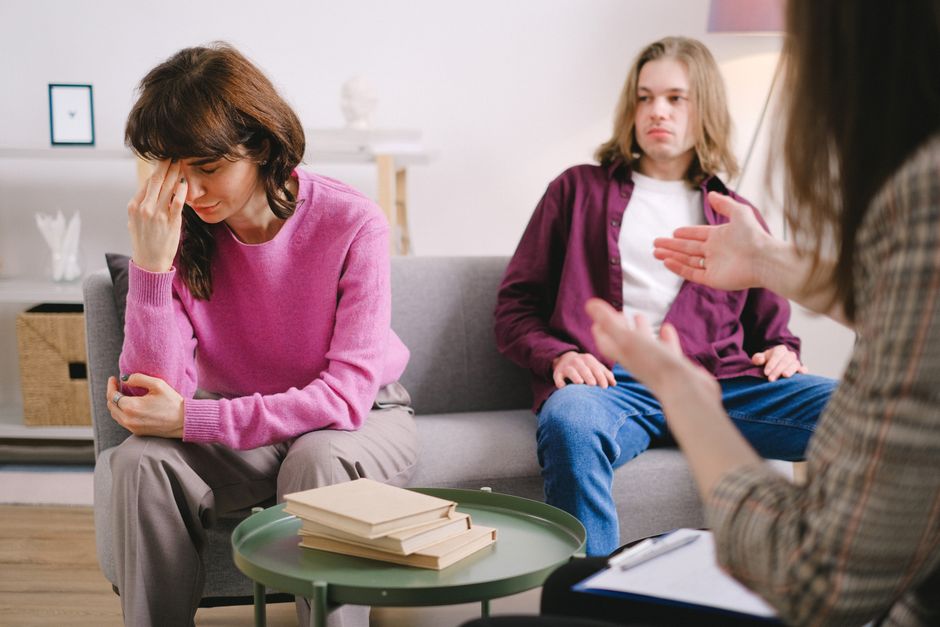
Couples relationship counseling can address almost any relational challenge. Some of the most common issues include:
- Trust and infidelity (including infidelity recovery or emotional affairs)
- Financial stress and disagreements about money
- Sexual intimacy and physical connection concerns
- Different parenting styles and family planning
- Power imbalances or control dynamics
- Grief, loss, or major life transitions
- Mental health issues affecting one or both partners
A therapist who specializes in couples dynamics knows how to untangle these issues without taking shortcuts. They help you see the bigger picture and find solutions that work for both of you.
How Long Does Counseling Take?
There’s no one-size-fits-all timeline. Some couples see results in 8 to 12 weeks of weekly sessions. Others benefit from longer-term work, especially if they’re rebuilding after a major breach of trust or working through deep-seated patterns.
The important thing isn’t the duration. It’s the consistency. Showing up week after week, doing the work between sessions, and staying committed to change is what creates real transformation.
You’ll likely know pretty quickly if counseling is helping. Do your conversations feel different? Are you understanding each other better? Do you feel more hopeful about your relationship? These are good signs.
Choosing the Right Counselor
Not every therapist is right for every couple. When you’re looking for someone to work with, keep a few things in mind:
- Credentials matter. Make sure your counselor is licensed and trained in couples therapy, not just individual therapy.
- Specialization helps. If you’re dealing with infidelity, trauma, or faith-related concerns, find someone who specializes in those areas.
- Fit is real. You need to feel safe and respected. If something feels off in the first session, it’s okay to try someone else.
- Values alignment. If your faith or cultural background is important to you, seek out a therapist who understands and respects that part of your identity.
Working with LEAPS Inc means you’re working with licensed professionals who combine clinical expertise with cultural sensitivity and trauma-informed care, all grounded in Christian values if that matters to your family.
Have a health concern?
The Role of Individual Therapy Alongside Couples Work

Sometimes couples counseling works best when paired with individual therapy for one or both partners. This might be true if you’re dealing with anxiety, depression, past trauma, or personal issues that affect your relationship.
Your individual therapist helps you work on your own stuff so you can show up more fully in your relationship. Your couples counselor helps you apply those insights as a team.
It’s not always necessary, but it can accelerate your progress and give you more tools to work with.
What Couples Relationship Counseling Cannot Do
Be realistic about what counseling can and cannot accomplish. A therapist cannot:
- Force your partner to change if they don’t want to.
- Decide for you whether you should stay or leave the relationship.
- Eliminate all conflict or disagreement.
- Heal your relationship if only one person is trying.
What counseling can do is give you tools, clarity, and a space to work together. It can help you communicate better, understand each other more deeply, and decide together what’s best for your future.
Taking the First Step
Starting couples relationship counseling means admitting that something needs to change. For some couples, that’s hard. It can feel like failure, or like you’re airing private problems with a stranger.
But here’s the truth: couples who seek help are the ones who care enough to try. Getting professional support is a sign of strength, not weakness.
When you’re ready to take that step, reach out and schedule a consultation. Most therapists offer a brief initial conversation so you can get a feel for whether the fit is right before you commit to ongoing sessions.
Common Questions About Couples Relationship Counseling
When should we consider couples relationship counseling?
There’s no “perfect” time to start. Some couples come in when they’re in crisis. Others come in because they sense distance and want to address it before things get worse. The best time is whenever you both feel ready to invest in your relationship and willing to do the work together.
What if my partner doesn’t want to go to counseling?
This is a real challenge. You can’t force your partner into therapy. But you can express how important this is to you and why you think it would help. Sometimes one partner comes in for individual therapy first, and that opens the door to couples work. Other times, an honest conversation about your willingness to try counseling can shift your partner’s perspective.
Is couples relationship counseling confidential?
Yes. What you discuss in counseling is private and protected by law, with very few exceptions (like if there’s immediate danger to you or someone else). Your counselor won’t share details about your sessions with anyone unless you give permission.
How much does couples relationship counseling cost?
The cost depends on several factors, including your location, your therapist’s experience level, and whether you have insurance coverage. Many insurance plans cover mental health counseling, including couples therapy. Contact your insurance provider to see what’s included in your plan. When you reach out to LEAPS Inc, they can discuss investment and payment options with you.
Have a health concern?