

When you’re stressed, overwhelmed, or emotionally dysregulated, your partner’s calm presence can shift everything. That’s co-regulation at work. It’s the science-backed practice of two people helping each other manage emotions and stress through genuine connection, and it’s one of the most underrated skills couples overlook. If you’re ready to deepen intimacy and build a more resilient relationship, understanding how to co-regulate with your partner is where transformation begins.
Co-regulation isn’t just feeling better because someone cares. It’s a direct, measurable interaction between two nervous systems. When your partner stays present and grounded during your difficult moment, your brain literally shifts into a calmer state. This bidirectional process strengthens both of you and creates emotional safety that most couples desperately need but don’t know how to access.
What Co-Regulation Actually Is (And Why It Matters)
Co-regulation happens when one person’s nervous system influences another’s through relational connection. Think of it like emotional synchronization. Your partner’s steady breathing, warm presence, or reassuring words don’t just make you feel better psychologically; they trigger physiological changes in your body. Heart rate slows. Cortisol drops. You feel safe again.
The magic is in the bidirectionality. You’re not the only one receiving benefit. When you help regulate your partner’s emotions, you’re also building your own emotional capacity and deepening the bond between you. This isn’t a one-way rescue operation. It’s mutual nourishment.
Research on attachment and nervous system science consistently shows that couples who practice co-regulation report stronger emotional safety, deeper intimacy, and better conflict resolution. If you’re navigating relationship challenges or just want to build a stronger foundation, this skill transforms everything. LEAPS Inc specializes in teaching couples how to access this relational power in their own relationships.

The Two Core Elements: Physical Touch & Emotional Attunement
Co-regulation has two non-negotiable components. You need both for it to work effectively.
Physical touch is foundational. Hugs, hand-holding, spooning, or even just sitting close with your hand on your partner’s arm activates your parasympathetic nervous system. This is the “rest and digest” mode where healing happens. Touch releases oxytocin (the bonding hormone) and directly calms your threat-detection systems. It’s not optional if you want real co-regulation; it’s the neurobiological anchor that makes everything else work.
Emotional attunement is the listening, the presence, the verbal reassurance. It’s you saying, “I see you’re struggling, and I’m here with you.” It’s asking questions without trying to fix. It’s matching your partner’s emotional tone while staying grounded yourself. Attunement is the bridge between your nervous systems. Without it, physical touch alone feels hollow.
Both together create the secure environment where real regulation happens. If you’re struggling to find that attunement with your partner, or if past hurt is making it hard to be physically present, that’s where professional support becomes invaluable. Learning communication constructs that enhance marital connection can rebuild that bridge.
Practical Ways to Co-Regulate With Your Partner Daily
You don’t need a therapist in the room to start practicing co-regulation. You can begin today.
- Create a grounding ritual. When either of you is activated or stressed, pause everything. Sit together. Hold hands. Focus on breathing in sync for 2-3 minutes. The act of synchronized breathing literally synchronizes your nervous systems. Your body does the work.
- Practice intentional touch. Not sexual necessarily. A hand on the back during a difficult conversation. A hug that lasts 20+ seconds (long enough to trigger oxytocin). Spooning before sleep. These aren’t luxuries; they’re nervous system medicine.
- Use “I’m here” language. When your partner is struggling, resist the urge to problem-solve. Say: “I’m here. You’re safe. I’m not going anywhere.” These statements create emotional attunement. They signal that you’re present, not distracted or judging.
- Mirror and validate. Reflect back what you hear: “It sounds like you’re feeling overwhelmed by work stress.” This shows attunement. It helps your partner feel truly seen, which automatically begins the regulation process.
- Slow down conversations. Rushing through emotional moments derails co-regulation. When things feel tense, pause. Breathe. Make eye contact. Let the interaction breathe. Speed kills safety.
These aren’t complicated. They’re simple, deliberate, and they work because they’re built on the way human nervous systems actually function.
When Old Patterns Block Connection
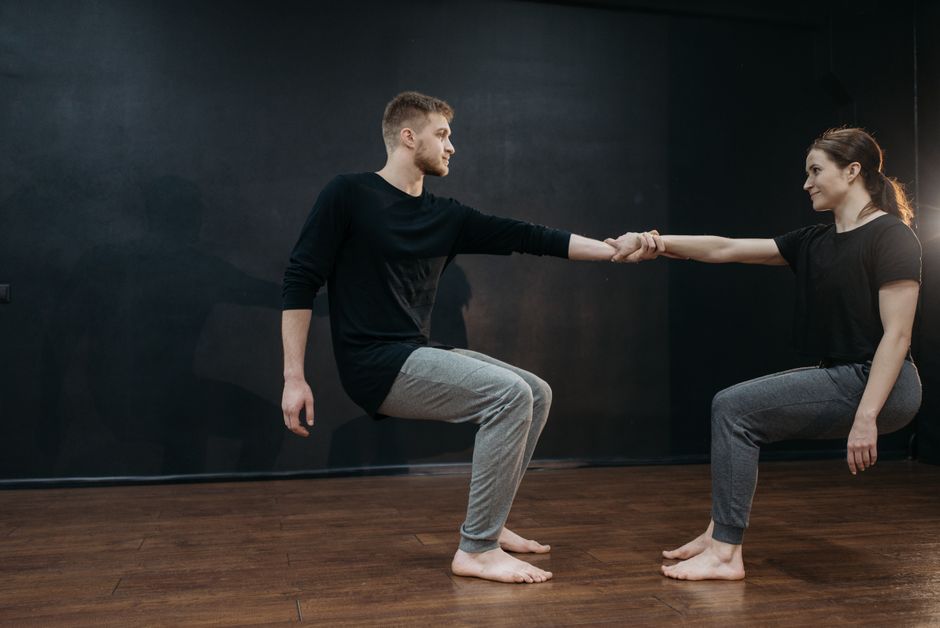
Here’s the harder truth: if your relationship has been marked by conflict, betrayal, infidelity, or unresolved hurt, co-regulation becomes much harder. Your nervous system has learned that your partner isn’t a safe harbor. Touch might feel threatening. Presence might trigger anger or sadness. Attunement might feel impossible because trust is fractured.
That’s not a failure on your part. That’s a sign that your nervous system is doing exactly what it’s supposed to do: protecting you.
This is where working with a couples therapist who understands both trauma and attachment becomes essential. If you’ve experienced infidelity, family conflict, or relational injury, you might need Infidelity Recovery Therapy or trauma-informed couples work to rebuild the safety that co-regulation requires. A licensed professional can help you and your partner navigate those deeper wounds while teaching you the skills to reconnect.
Have a health concern?
Related: Best Coregulation with Partner Therapy in Tampa & Orlando, FL
Related: Best Couples Therapy for Cheating Spouse in Tampa Bay & Orlando
For couples in the Tampa and Orlando area looking for culturally sensitive, faith-based approaches to healing relational damage, couples therapy offers a pathway to reconnection before small rifts become relationship-threatening crises.
Building Consistency Into Your Practice
Co-regulation isn’t a one-time event. It’s a daily practice that builds resilience over time. The more you do it when things are calm, the more accessible it becomes when things are hard.
Set small, consistent targets:
- One intentional touch ritual before bed (hand-holding, brief massage, or spooning)
- One conversation where you practice attunement without problem-solving
- One grounding session when either of you feels activated (even 3-5 minutes counts)
These small moments compound. Over weeks and months, you’ll notice your nervous systems respond faster to each other. You’ll weather stress better. You’ll have fewer arguments because you’re both more regulated. Conflict resolution becomes easier because you’re not fighting from a place of threat.
If you’re trying to rebuild this practice after relationship challenges, or if emotional regulation has always been difficult for you both, professional support accelerates the process tremendously. Therapists trained in attachment work can identify specific blocks and teach you skills tailored to your relational pattern.
Why This Matters Right Now
Relationships today face unprecedented stress. Financial pressure, digital distraction, family complexity, and past relational wounds create a perfect storm for disconnection. Many couples are more isolated and dysregulated than ever, even though they’re sharing the same home.
Co-regulation is the antidote. It’s how you rebuild safety when everything feels chaotic. It’s how you move from “we’re struggling” to “we’re a team that can handle this together.”
The research is clear: peer-reviewed studies on attachment and nervous system regulation consistently show that couples who practice co-regulation report higher relationship satisfaction, better mental health outcomes, and greater resilience during stress. This isn’t theoretical. It’s measurable. It works.
If you’re ready to strengthen your relationship through co-regulation, or if you need professional guidance to rebuild trust and connection, LEAPS Inc offers specialized couples therapy and coaching for relationships in transition. Serving clients throughout Tampa, Orlando, and surrounding areas within a 50-mile radius, we bring trauma-informed, faith-centered, culturally sensitive approaches to relational healing. Every couple’s journey is unique. We meet you where you are.
Related: Best Relationship Counseling in Florida | Tampa & Orlando
Related: Best Couples Counseling for Relationship Problems in Tampa & Orlando
What’s the difference between co-regulation and codependency?
Co-regulation is mutual, healthy support where both partners maintain their own emotional autonomy and take turns being the regulating presence. Codependency is when one person’s emotional stability depends entirely on the other, creating an unhealthy dynamic. In co-regulation, you help each other stay grounded. In codependency, you lose yourself in managing your partner’s emotions. Healthy co-regulation strengthens both individuals. Codependency weakens them.
Can co-regulation help if we’ve had infidelity in our relationship?
Yes, but it requires rebuilding trust first. After infidelity, the nervous system is in a heightened state of threat. Simple co-regulation practices alone won’t work until some of the underlying wound is addressed. That’s why Building Trust After Infidelity through professional therapy is often the necessary foundation. Once safety is partially restored, co-regulation practices can then strengthen the new relational foundation you’re building together.
How long before we see changes from practicing co-regulation?
Some couples notice small shifts within days: less reactivity during stress, slightly warmer conversations. Deeper changes (consistent emotional safety, transformed conflict patterns) typically take 4-8 weeks of consistent practice. If you’re working with a therapist, progress often accelerates because a professional can identify and address specific blocks that might otherwise slow you down.
What if my partner isn’t interested in co-regulation or therapy?
This is common and worth taking seriously. Sometimes one partner is ready for change and the other isn’t. You can’t force someone into this work. What you can do is clearly communicate how important this is to you, invite them to explore it together, and be honest about what happens if the relationship stays stuck. Sometimes a professional therapist can help facilitate that conversation in a way that feels less defensive. That’s another reason to reach out to a couples specialist.
Have a health concern?