
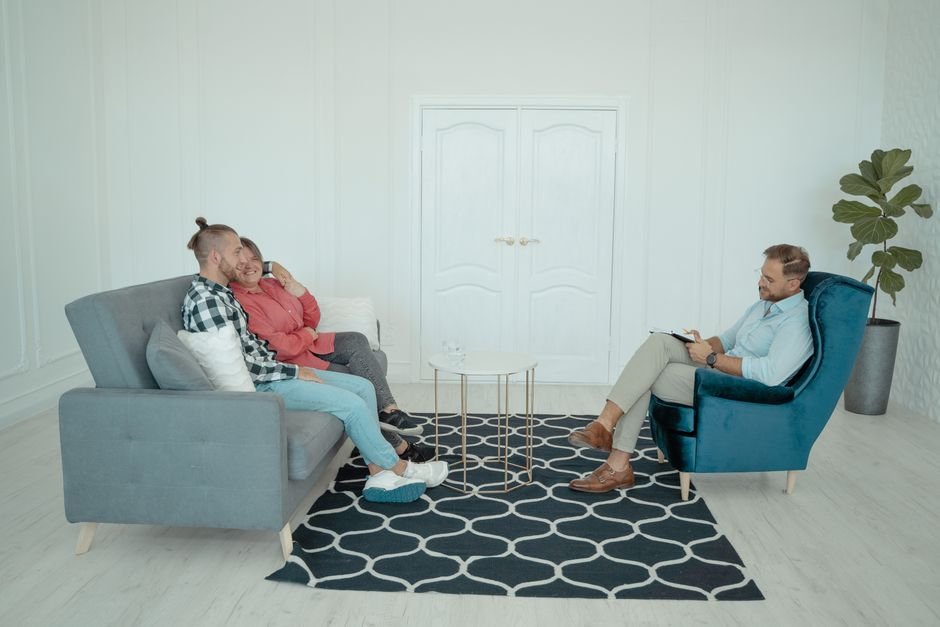
Couples therapy communication is about learning to talk in ways that bring you closer instead of pushing you further apart. When you’re stuck in the same painful patterns—yelling, shutting down, or just talking past each other—a therapist trained in couples work can teach you skills that transform how you connect.
The good news? Communication improves faster than most couples expect when you get the right guidance. Let’s walk through what couples therapy communication looks like and how you can start healing your relationship today.
Related: Couples Therapy Virtual: A Complete Guide for 2026
What Couples Therapy Communication Actually Teaches
Couples therapy communication isn’t a quick fix or a magic phrase. It’s a structured set of skills you learn together, practice during sessions, and then take home to use in real life.
Related: Couples Therapy for Breakup: What Actually Works
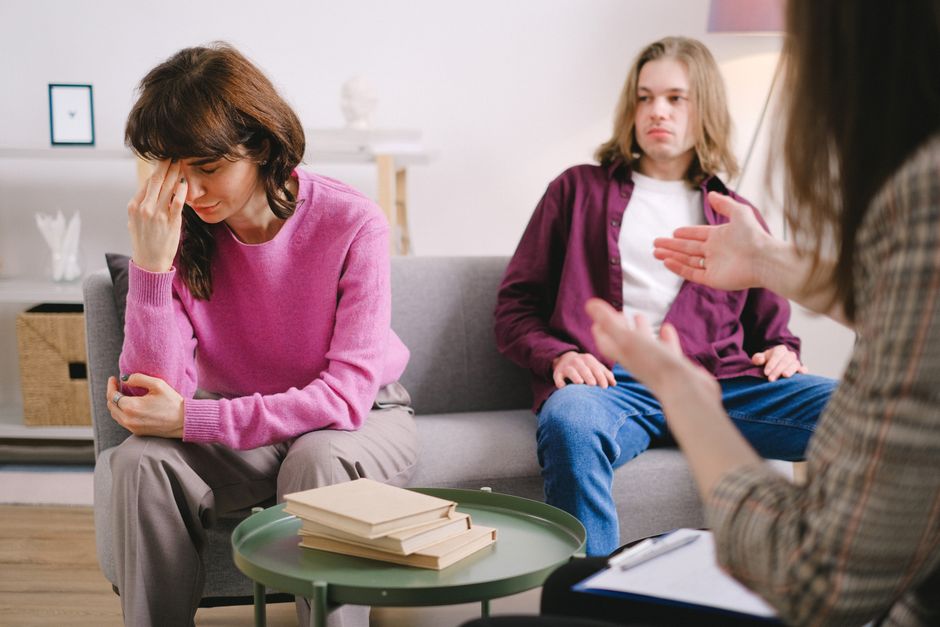
Most couples therapy starts by identifying what’s broken. Maybe you interrupt each other. Maybe one person shuts down while the other escalates. Maybe you’re both so hurt that you can’t even say “I love you” without it turning into a fight. A therapist helps you see these patterns clearly—not to blame anyone, but to interrupt them.
Then your therapist teaches you concrete techniques. You learn how to speak about your feelings without attacking. You learn how to listen—really listen—without planning your rebuttal. You learn to ask for what you need instead of expecting your partner to read your mind.
The best part? You practice these skills in session where it’s safe. Your therapist can pause, give you feedback, and help you try again. That’s why working with LEAPS Inc makes such a difference—you’re not just learning theory, you’re building new muscle memory together.

The Core Communication Skills Couples Learn
If you’ve tried couples therapy or are thinking about it, here are the main communication skills that actually change relationships.
Using “I” statements instead of “You” attacks. This is the foundation. Instead of “You never listen to me,” you say “I feel unheard when I’m talking and you’re on your phone.” That’s not blaming. That’s inviting your partner to understand your inner world.
Asking before you assume. Couples in pain often mind-read. You think your partner doesn’t care because they didn’t remember your doctor’s appointment. But they might have forgotten. They might have been stressed. You don’t know until you ask. Therapy teaches you to be curious instead of certain.
Taking turns and not interrupting. Sounds simple, but most couples haven’t done this in years. One person gets to speak. The other listens without planning their response. Then you switch. No crosstalk. No lectures. Just taking turns.
Naming your emotions clearly. Instead of “You made me upset,” you learn to say “I’m feeling anxious” or “I’m hurt.” That opens a door for compassion. It helps your partner understand what you actually need.
Avoiding harmful behaviors. Yelling, name-calling, contempt, defensiveness, stonewalling—these are the biggest killers of connection. Couples therapy helps you recognize these patterns the moment they start and choose something different instead.
How to Practice Couples Therapy Communication at Home
Your therapist gives you homework. These aren’t busywork—they’re the bridge between what you learn in session and real life.
Schedule a weekly check-in conversation. Pick a time when you’re both calm and not rushed. Sit facing each other. Set a timer for 20 minutes. One person shares what’s been on their mind. The other listens. Then you switch. This simple ritual builds safety and connection.
Practice active listening without fixing. When your partner shares, resist the urge to solve their problem or defend yourself. Just listen. Then repeat back what you heard: “So what I’m hearing is…” This shows you care about understanding, not winning.
Use a talking object. Some couples use a pillow or stone. Only the person holding the object gets to speak. It sounds gimmicky, but it works because it removes the power struggle from who gets to talk.
Do a daily appreciation moment. Every day, tell your partner one thing you appreciated. It can be tiny: “I loved how you made coffee this morning.” This rewires your brain toward noticing the good instead of dwelling on hurt.
Create a signal for when things are escalating. Pick a word or gesture that means “I need to pause before this gets worse.” When someone uses the signal, you both agree to take a 20-minute break and come back calmer.
These exercises work best when you’re doing them alongside professional guidance. If you’re ready to go deeper, LEAPS Inc offers couples therapy that’s rooted in both clinical expertise and faith-based values.
Have a health concern?
Why Couples Therapy Communication Requires Both People

Here’s the hard truth: couples therapy communication only works when both partners genuinely want to improve the relationship.
If one person is just going through the motions to please the other, or if someone’s already checked out emotionally, the exercises fall flat. You can’t fix a relationship alone. It takes two people willing to show up, be vulnerable, and try something new.
That said, you don’t need to be in perfect health to start. You don’t need to love each other the way you used to—yet. You just need to be willing. Willingness is the entry point. Growth happens from there.
When to Seek Professional Help for Couples Communication
You don’t have to wait until your relationship is on life support. The best time to seek couples therapy communication training is when you notice you’re stuck in the same fight over and over, or when you feel distant but don’t know how to reconnect.
You might also need specialized support if you’re navigating infidelity or emotional breach of trust. Infidelity Recovery Therapy combines communication repair with the deeper work of rebuilding trust and processing betrayal. That’s a different kind of conversation than a typical couples therapy communication session, and it takes more time.
If you’re in the Tampa or Orlando area, LEAPS Inc provides licensed therapy and coaching with a trauma-informed, culturally sensitive approach grounded in Christian values. The therapists there understand that communication skills are only part of healing—your faith and your individual stories matter too.
The Real Impact of Better Couples Communication
When couples therapy communication actually takes hold, things shift quietly at first.
You stop bracing for the next argument. You start asking each other genuine questions instead of assuming the worst. You laugh together again. You feel seen instead of judged. Your partner becomes someone you want to talk to again, not someone you dread.
This doesn’t mean conflict disappears. Healthy couples still disagree. But they disagree without contempt. They repair ruptures faster. They know how to get back to each other.
That’s what couples therapy communication gives you—not a conflict-free marriage, but a relationship where you can face hard things together and come out stronger.
Frequently Asked Questions About Couples Therapy Communication
How long does it take to see changes in couples communication?
Most couples notice small shifts within 2-3 sessions—like interrupting less or having one conversation that goes better than usual. Deeper changes take longer, usually 8-12 weeks of consistent work. The key is practicing at home, not just talking in the therapist’s office.
What if my partner refuses to go to couples therapy?
If one person is unwilling, you still have options. Individual Therapy can help you understand your own patterns and learn what you can control. Sometimes when one person changes how they respond, the dynamic shifts anyway. But ultimately, couples therapy requires two willing participants.
Is couples therapy communication the same as marriage counseling?
They’re related but slightly different. Couples therapy communication focuses specifically on how you talk to each other and what skills you’re missing. Marriage counseling might address bigger questions like values, life direction, and whether to stay together. Many couples use both approaches together.
Can couples therapy communication prevent divorce?
Not always, and that’s okay. Sometimes therapy helps a couple decide to separate respectfully rather than bitterly. But when both people are committed to staying, learning to communicate better gives you real hope. You’re not trying to save a relationship—you’re building one that actually works.
Have a health concern?