

If you’re wondering whether you need couples therapy or marriage counseling, you’re not alone. The terms get used interchangeably, but they actually have some important differences. Here’s what you need to know: in couples therapy, the focus is on how individual issues affect the relationship, while marriage counseling centers on the relationship itself and how both partners can work together. The right choice depends on your specific situation, your relationship status, and what you’re hoping to fix.
The Core Difference: Individual Focus vs Relationship Focus
The main distinction between couples therapy and marriage counseling comes down to what’s under the microscope. In couples therapy, a therapist is digging into how each person’s individual patterns, wounds, and behaviors are impacting the partnership. Maybe one partner struggles with anxiety that creates distance, or past trauma is affecting how they show up in the relationship. The work looks at the person first, then how that shows up between you two.
Marriage counseling, by contrast, puts the relationship itself at the center. It’s less about uncovering individual psychology and more about teaching you and your spouse how to communicate better, resolve conflicts without tearing each other down, and rebuild connection. The focus is on the system you’ve created together as a couple.
Who Each Approach Works Best For
Couples therapy is broader in scope. It works for anyone in a committed relationship, whether you’re dating, engaged, cohabiting, or married. If you’re dealing with relationship problems that seem rooted in one person’s individual struggles, couples therapy might be the fit. It’s also useful when you want to explore how your own attachment style, family history, or past experiences are showing up in your current relationship.
Marriage counseling is specifically designed for married or engaged couples. It shines when you’re looking to strengthen communication, learn how to disagree without contempt, and rebuild emotional intimacy. If you’re married and want to get back on the same page, marriage counseling offers tools and frameworks built for that specific context.
Related: Intensive Marriage Counseling: What It Is & How It Works
That said, both approaches can help you reconnect emotionally and rebuild trust. If you’re not sure which fits your situation, talking through it with a professional can help you land on the right path. LEAPS Inc offers both modalities and can help you figure out which approach makes the most sense for where you are right now.
Communication and Conflict Resolution Skills
Both couples therapy and marriage counseling emphasize how you talk to each other. But they approach it slightly differently. Marriage counseling often teaches specific conflict resolution techniques and communication frameworks. You’ll learn how to express your needs without attacking your partner, how to listen without getting defensive, and how to disagree without devaluing each other.
Couples therapy touches on communication too, but it often digs deeper into why you’re struggling to connect in the first place. It might explore how your individual nervous systems are wired differently, how past relationships are influencing how you show up now, or how trauma is creating barriers to vulnerability and closeness.
The bottom line: if you want practical tools for talking things through, marriage counseling delivers them fast. If you want to understand the roots of communication breakdowns, couples therapy goes deeper.
How to Choose What You Actually Need

Start by asking yourself: is the problem mostly about how we interact, or is it about how one or both of us are struggling individually? If your marriage feels distant but you communicate okay, marriage counseling might be enough. If one partner is battling anxiety, depression, or unprocessed trauma that’s affecting the relationship, couples therapy could be the better call.
Think about your relationship status too. If you’re not married or engaged, couples therapy is the clearer choice. If you’re married and want to rebuild your foundation together, either could work, but marriage counseling is purpose-built for that.
Have a health concern?
Related: Couples Relationship Counseling: A Guide to Healing Together
Also consider what you want from the process. Do you want to learn specific skills to handle conflict better? Marriage counseling. Do you want to heal from infidelity, work through trust issues, or explore how your past is shaping your present? Couples therapy offers that deeper work. If you’re navigating infidelity or emotional distance, Infidelity Recovery Therapy or faith-based couples therapy might be tailored options worth exploring.
Many couples actually benefit from starting with one approach and shifting to the other as they progress. You might begin with marriage counseling to learn to communicate, then move into couples therapy to address deeper individual wounds. There’s no rule against mixing approaches.
Why Relationship Status Matters
If you’re dating or engaged but not married, couples therapy is the natural fit. It’s designed to work with all relationship configurations, not just married couples. You can explore compatibility, attachment patterns, and how you navigate conflict at any stage of commitment.
For married or engaged couples, marriage counseling was literally designed with your context in mind. It acknowledges the specific challenges that come with legal and spiritual commitment, and it offers frameworks tailored to that. But couples therapy works for you too, especially if individual issues are at play.
When to Make the Call
You don’t need to wait until your relationship is in crisis. The best time to seek help is when you notice patterns repeating, when you feel emotionally disconnected, or when conflict keeps ending the same way. If you’re considering therapy or counseling at all, that’s often a good sign you need it.
If you’ve had infidelity, emotional affairs, or serious trust breaks, both modalities can help you rebuild. If you’re struggling with communication or feel like you’re growing apart, both work. The difference is subtle but real, and a trained therapist can help you figure out which makes most sense for your unique situation. When you’re ready to explore your options, LEAPS Inc can help you schedule a session to discuss what you’re facing and what approach fits best.
The Healing Path Forward
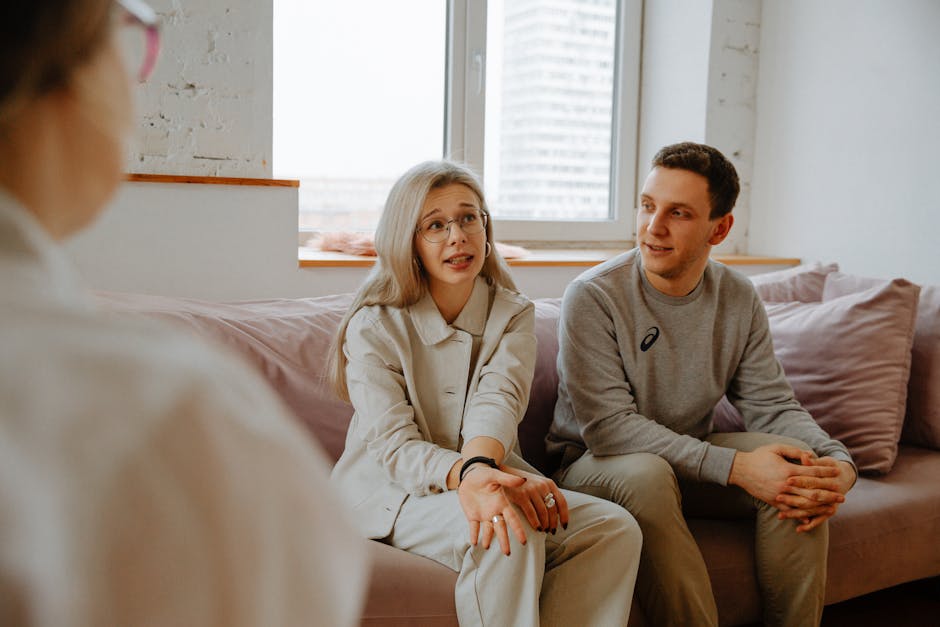
Whether you choose couples therapy or marriage counseling, you’re choosing to invest in your relationship. Both paths can help you rebuild intimacy, learn to navigate conflict with respect, and fall back in love with your partner. The specific modality matters less than showing up with genuine willingness to change and grow together.
The key is starting. Pick the approach that resonates with your situation, find a therapist or counselor you trust, and begin the work. If you’re in Tampa or Orlando and looking for a faith-centered, trauma-informed approach to healing your relationship, reach out to LEAPS Inc to explore how they can support you.
People Also Ask
Is couples therapy the same as marriage counseling?
Not exactly. Couples therapy focuses on how individual issues affect the relationship, while marriage counseling focuses on the relationship itself and teaches communication and conflict resolution skills. Both can help relationships heal, but they approach the work differently.
Can couples therapy help if we’re not married?
Yes, that’s one of the key differences. Couples therapy works for any relationship status: dating, engaged, cohabiting, or married. Marriage counseling is specifically for married or engaged couples.
How long does couples therapy or marriage counseling take?
It depends on your situation, what you’re working through, and how committed you both are to change. Some couples see results in a few months. Others benefit from longer-term work. A therapist can give you a better sense after your first session.
Do I need couples therapy or marriage counseling if we’re thinking about breaking up?
Yes. If you’re on the fence about your relationship, therapy or counseling can help you either rebuild what’s broken or navigate the decision to separate with clarity and respect. Either way, a professional can help you move forward thoughtfully.
Have a health concern?