

When a child loses someone they love, grief can feel overwhelming and confusing for both the kid and the adults around them. Children’s grief counseling is a specialized form of support that helps young people process loss in ways that make sense for their age and emotional development. Whether your child lost a parent, grandparent, sibling, or close family friend, professional grief counseling can give them tools to cope and heal.
Here’s what you need to know about children’s grief counseling, when to seek it, and how it actually works.
What Is Children’s Grief Counseling?
Children’s grief counseling is therapy designed specifically for kids and teens who are dealing with the death of someone important. Unlike adult grief counseling, it’s tailored to how children understand and process loss based on their age and emotional maturity.
Related: Dating Couples Counseling: When & How to Get Started
A grief counselor working with children creates a safe, judgment-free space where kids can express their feelings through talking, drawing, play, or movement. The goal isn’t to “get over it” quickly—it’s to help your child understand what happened, normalize their feelings, and develop healthy ways to cope with the loss.
Many grief support services also work with bereaved parents and other family members. Loss affects the whole system, so family-centered approaches often lead to better outcomes for everyone involved.
Why Children Need Professional Grief Counseling
Kids don’t always know how to talk about death, and they can’t always process complex emotions on their own. That’s where professional support makes a real difference.
When a child is grieving, they might act out, withdraw, struggle in school, develop sleep problems, or regress to behaviors they’d outgrown. Some kids blame themselves for the death. Others get stuck in guilt or anger. Without help, these patterns can compound over time.
Professional grief counseling helps your child because a trained therapist knows what’s developmentally normal and what signals that a child needs extra support. They can teach coping skills, answer tough questions honestly, and give your child permission to feel whatever comes up—sadness, anger, confusion, even joy or relief.
If you’re looking to guide your child through this journey, exploring LEAPS Inc’s therapeutic approach to family healing can help clarify what professional support looks like in a compassionate, faith-centered setting.

When Should You Seek Children’s Grief Counseling?
You don’t have to wait for your child to “fall apart” to get help. Grief counseling is beneficial right after a loss, but it’s also useful weeks or months later if your child is struggling.
Consider professional support if your child:
- Has trouble sleeping or nightmares
- Shows extreme behavioral changes (withdrawn, aggressive, or reckless)
- Struggles to focus at school or with daily activities
- Blames themselves for the death
- Talks about harming themselves
- Becomes unusually clingy or anxious about separation
- Refuses to acknowledge the death or talk about the person who died
- Shows signs of complicated grief (grief that doesn’t seem to ease after several months)
That said, some grief counseling is preventative. Starting therapy soon after a loss can help your child process it in real time rather than struggling silently for months.
What Happens in a Grief Counseling Session?
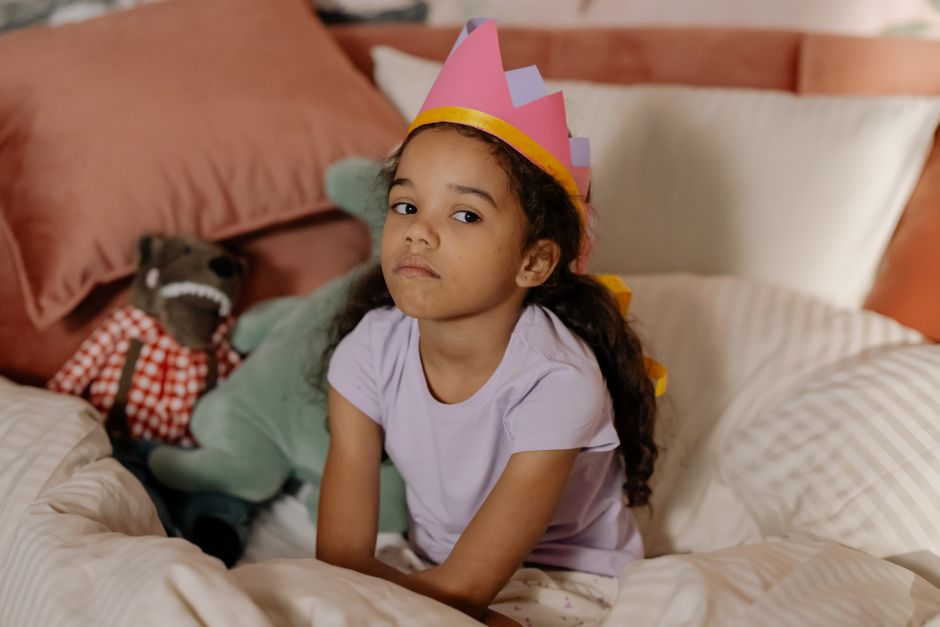
The first session usually involves getting to know your child and understanding their relationship with the person who died. The counselor might ask about memories, what your child understands about death, and how they’re coping right now.
After that, sessions look different depending on your child’s age and personality. Younger children (ages 3-8) often communicate through play, drawing, or storytelling. They might act out scenarios or create art about their feelings. Older kids and teens might talk more directly, but a skilled counselor will still use creative tools to help them express what’s hard to put into words.
Throughout the process, the counselor helps your child:
- Understand what death means and that it’s permanent
- Express and name their emotions
- Create rituals or ways to remember the person
- Address any guilt or “what if” thinking
- Build coping strategies for tough days (birthdays, anniversaries, holidays)
- Stay connected to the person’s memory in healthy ways
Many programs also offer family sessions so parents and siblings can grieve together and support each other. This is especially helpful because grief impacts the whole family system, and when everyone understands each other’s experience, healing happens faster.
Age-Appropriate Grief Support for Different Ages
A 4-year-old grieves very differently than a 14-year-old. Understanding what’s normal for your child’s age helps you know what to expect in counseling.
Ages 3-5: Young kids have a limited understanding of death. They might ask repetitive questions like “When is grandma coming back?” They may not show obvious sadness but might regress (thumb-sucking, accidents, clinginess). Counseling focuses on concrete language, reassurance, and play-based expression.
Ages 6-9: Kids this age start to understand that death is permanent, but they still have magical thinking. They might worry they caused the death or blame themselves. They need honest, simple answers and permission to feel sad. Counseling helps them separate fact from fantasy and process guilt.
Ages 10-13: Preteens understand death more logically but are starting to feel peer pressure about showing emotion. They might hide grief or act out instead of talking. They benefit from group grief support (where they see other kids their age grieving) and from having a confidential space to process complex feelings.
Ages 14+: Teens understand death and mortality like adults do, but they’re also managing identity, peer relationships, and independence. They might grieve privately or struggle with how the loss affects their future plans. They respond well to individual therapy where they’re treated with respect and heard without judgment.
Finding Grief Support Resources
You have several options for finding children’s grief counseling. Organizations like the National Alliance for Grieving Children maintain a directory of grief support providers and can connect you with services in your area. They can also recommend local support groups and workshops.
Rainbows is another trusted resource that offers free grief support groups for youth ages 3-18 and trains volunteers to facilitate groups in schools and community centers.
If you’re in the Tampa or Orlando area, LEAPS Inc offers Family Conflict Therapy and counseling services that include grief and loss work within a compassionate, faith-centered framework. Their trauma-informed approach helps families navigate loss together.
Have a health concern?
How to Talk to Your Child About Death

Before or alongside grief counseling, you’ll need to talk to your child about what happened. Here’s how to do it right.
Be honest and use clear language. Don’t say the person “went away” or “went to sleep.” Say they died. Kids need to understand the permanence of death, not wonder if the person is coming back. Use the person’s name. It’s okay to talk about them.
Keep it age-appropriate but truthful. A 5-year-old needs a simpler explanation than a 12-year-old, but neither needs a lie. “Grandpa’s heart stopped working” is honest and concrete. You don’t need to include every medical detail, but don’t make up euphemisms.
Answer questions directly. Kids will ask tough questions. “Where do people go when they die?” “Is it my fault?” “Will you die too?” Answer what you can and be honest if you don’t have an answer. Religious or spiritual beliefs can comfort kids, especially within families where faith is important.
Normalize their feelings. Let your child know that sadness, anger, confusion, and even moments of joy or silliness are all normal. Don’t force them to feel a certain way or suppress their emotions.
Share your grief too. Kids need to see that adults grieve and that it’s healthy. Crying in front of your child shows them that loss is real and that their feelings matter. But also show them you’re managing and healing.
What Makes Grief Counseling Effective
The best grief counseling for children happens in a trauma-informed, emotionally safe environment where the therapist understands child development and meets kids where they are.
Look for counselors or programs that:
- Specialize in childhood grief and bereavement
- Use age-appropriate techniques (play therapy, art, talk therapy)
- Include family members when helpful
- Respect your family’s cultural and spiritual values
- Help kids build concrete coping skills they can use at home
- Stay in touch during difficult times (anniversaries, holidays, birthdays)
Healing from loss isn’t linear. Your child might seem fine one week and struggle the next. A good grief counselor expects this and helps your child build resilience over time.
Related: Parenting and Attachment: Build Secure Bonds With Your Child
Supporting Your Grieving Child at Home
Counseling is one piece. What happens at home matters just as much.
Maintain routines. Kids find security in predictability. Stick to regular meal times, bedtimes, and activities even when grief feels heavy.
Create rituals of remembrance. Plant a tree, light a candle on their birthday, make their favorite meal, or look through photos together. These rituals help your child feel connected to the person who died without getting stuck.
Watch for isolation. Grief can make kids withdraw. Gently encourage them to stay connected with friends, school, and activities they enjoy.
Take care of yourself. Your child looks to you to see how to grieve. If you’re falling apart completely, they’ll worry about you instead of processing their own grief. Seek your own support so you can show your child that grief and healing are both possible.
When grief feels too big to carry alone, LEAPS Inc specializes in family healing with a compassionate approach grounded in both clinical expertise and spiritual values.
Frequently Asked Questions
At what age can children start grief counseling?
Children as young as age 3 can benefit from grief counseling. Even very young kids understand that someone is gone and can feel sadness or confusion. Play-based and art-based approaches work well for preschoolers. Grief support services typically serve children and teens through age 18 and beyond.
How long does children’s grief counseling usually last?
There’s no set timeline. Some kids benefit from a few sessions to work through the immediate shock. Others benefit from ongoing support for 6-12 months or longer, especially around holidays and anniversaries. Your counselor will assess your child’s needs and help you decide on a schedule.
Is grief counseling only for when someone dies?
While death is the most common reason kids seek grief counseling, children also grieve other major losses: parents divorcing, moving away from friends, losing a beloved pet, or parents’ serious illness. Any significant loss can trigger grief, and counseling can help.
Can grief counseling help with complicated grief or prolonged grief?
Yes. If your child’s grief isn’t easing after several months, or if they’re getting worse instead of better, professional support is especially important. Complicated grief—where a child gets stuck in intense pain and can’t move forward—responds well to specialized therapy. A trained grief counselor can assess whether your child needs deeper intervention.
Have a health concern?