

Your attachment style—the way you bond with others—didn’t start with your romantic partner. It started in your childhood, with how your parents showed up for you. And now, whether you realize it or not, that same attachment style is influencing how you parent your own kids.
The good news? Understanding attachment style and parenting gives you the power to break unhelpful patterns and build the secure, emotionally healthy relationship with your children that you might not have had growing up.
Related: Parenting and Attachment: Build Secure Bonds With Your Child
What Is Attachment, and Why Does It Matter?
Attachment is the emotional bond between you and your child. It’s not about how much you love them—it’s about how consistently and responsively you show up when they need you.
When your infant cries, and you respond with comfort, you’re building attachment. When your toddler falls and looks to you for reassurance, and you validate their feelings instead of dismissing them, you’re strengthening that bond. These early interactions wire your child’s brain for trust, security, and emotional resilience.
This matters because attachment quality affects everything: your child’s ability to regulate emotions, their curiosity and willingness to explore the world, their self-reliance, and even their future relationships. A securely attached child feels safe enough to be independent, not clingy or withdrawn.
The Four Attachment Styles and How They Show Up in Parenting
Attachment styles fall into four patterns. You might recognize yourself in one or more of them.
Secure Attachment
Securely attached parents respond to their kids’ needs promptly and appropriately. They’re warm, consistent, and emotionally available—but they also allow their children space to explore and develop independence.
Their kids grow up feeling valued and safe. These children are more curious, more confident in trying new things, and better at managing stress.
Anxious Attachment
Anxiously attached parents often worry they’re not doing enough. They may hover, over-involve themselves in their child’s life, or struggle to set boundaries.
While their intentions are loving, this style can make kids feel smothered or overly responsible for a parent’s emotional wellbeing. The child might become people-pleasing or anxious themselves.
Avoidant Attachment
Avoidantly attached parents tend to be emotionally distant. They value independence highly and may dismiss their child’s emotional needs as “coddling.”
Kids raised this way often learn to suppress their feelings and become self-reliant too early. They might struggle to ask for help or feel disconnected from their emotions.
Disorganized Attachment
Disorganized attachment develops when a child’s primary caregiver is unpredictable, harsh, or frightening. The child doesn’t know whether to seek comfort or protection from the person they need most.
This is the most challenging pattern. It often shows up as a mix of clingy and withdrawn behavior, and it usually requires professional support to heal.
How Your Own Attachment History Shapes Your Parenting
Here’s the thing: you parent the way you were parented, unless you consciously choose differently.
If you had a securely attached parent, you likely have a blueprint for healthy parenting already built in. But if you grew up with anxious, avoidant, or disorganized attachment, you might find yourself repeating those patterns without realizing it.
A parent who was anxiously attached as a child might hover over their own kids to feel in control. A parent who experienced avoidant parenting might struggle to comfort their crying infant because it feels unfamiliar or uncomfortable.
The key is awareness. Once you recognize your attachment pattern, you can make different choices. This is where parenting and family communication counseling becomes invaluable—a therapist can help you understand your patterns and practice new responses in real time.
The Research-Backed Benefits of Responsive Parenting

Responsive parenting—meeting your child’s needs promptly and warmly—is the gold standard. It sounds simple, but it requires presence and attunement.
When you respond to your baby’s cry with comfort, you’re not spoiling them. You’re teaching their brain that the world is safe and that they can rely on you. When you validate your school-age child’s frustration instead of dismissing it, you’re building their emotional intelligence.
Securely attached children show greater curiosity, more self-reliance, and better ability to handle independence. They’re not clingy—they’re confident enough to explore because they trust you’re there when they need you.
Responsive parenting also builds your child’s resilience. They learn that challenges are manageable because they have a trusted adult to turn to.
Practical Steps to Build Secure Attachment With Your Child
You don’t need to be perfect. You need to be present and willing to repair when you mess up.
1. Show Up Emotionally
Put your phone down. Make eye contact. Notice what your child is feeling, not just what they’re doing. This doesn’t take hours—it takes moments of genuine attention.
2. Respond Consistently
Your baby cries. You respond. Your toddler is scared. You comfort them. Your teenager feels rejected by a friend. You listen without trying to fix it immediately. Consistency teaches security.
3. Validate Before You Correct
Your kid throws a tantrum over a broken cookie. Instead of “Stop being dramatic,” try “That’s really upsetting. You were looking forward to that cookie.” Once they feel heard, they settle faster.
4. Set Boundaries With Warmth
Secure attachment isn’t permissive. You can say “No, you can’t hit your sister” while also saying “I see you’re frustrated.” Boundaries plus empathy builds trust and responsibility.
5. Repair Ruptures
You yelled when you shouldn’t have. You were distracted when they needed you. It happens. Come back and name it: “I raised my voice at you earlier, and I’m sorry. That wasn’t okay. I love you.” This teaches your child that relationships can weather mistakes.
6. Allow Independence
Secure attachment doesn’t mean hovering. Let your child struggle a little. Let them try and fail. You’re there if they need you, but you’re not solving everything for them.
If your attachment history makes responsive parenting feel foreign or triggering, LEAPS Inc offers family-focused therapy to help you heal your own wounds and build new patterns with your kids.
Have a health concern?
Related: Couples Therapy Communication: Build Stronger Connection

When Attachment Issues Run Deep
Sometimes, attachment challenges are bigger than self-help strategies can fix. If your child shows signs of severe anxiety, aggression, withdrawal, or difficulty forming bonds, professional support matters.
Similarly, if you find yourself unable to connect with your child despite your best efforts, or if you’re repeating harmful patterns from your own childhood, that’s a sign that working with a therapist is the right move.
A trauma-informed approach can help you understand the roots of your attachment style and practice new ways of relating to your kids. Family conflict therapy is designed exactly for these situations, creating a safe space where families can heal together.
Attachment and Your Parenting Long Term
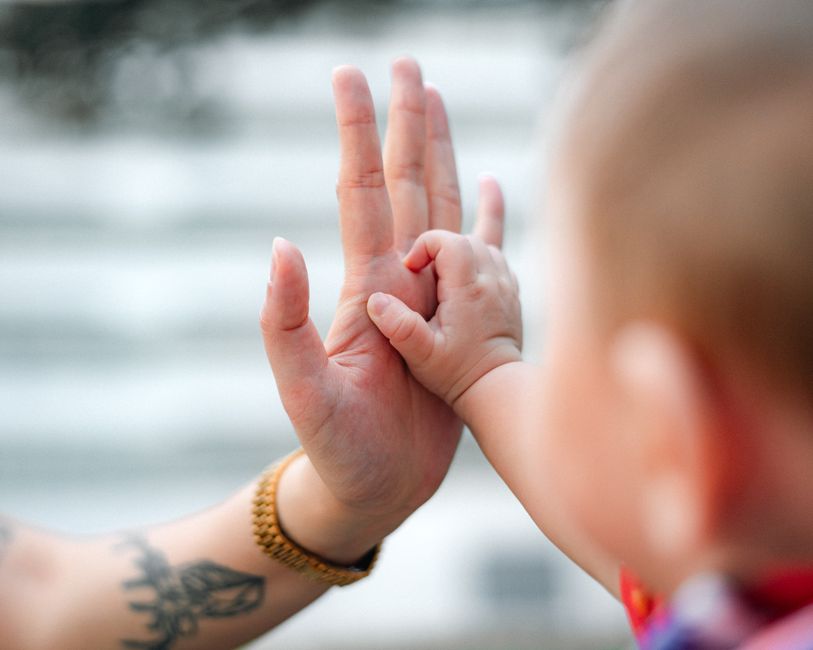
Your child’s attachment style becomes their template for future relationships. A securely attached kid grows into a teenager who can ask for help, a young adult who forms healthy friendships, and eventually a partner who knows how to trust and communicate.
An insecurely attached child often carries that pattern into adulthood, repeating cycles of anxiety, avoidance, or confusion in relationships—unless someone helps them heal.
The good news is that attachment patterns can change at any age. Your work now, as a parent, matters deeply. And if your own attachment wounds are getting in the way, healing them is an investment in your entire family’s future.
Is your attachment style affecting your parenting?
It’s worth exploring. Awareness is always the first step toward change.
Common Questions About Attachment and Parenting
Can I change my attachment style?
Yes. Attachment styles are learned patterns, not fixed traits. With awareness and practice—often with professional support—you can develop a more secure attachment style. This usually involves understanding where your pattern came from, recognizing how it shows up in your parenting, and practicing new responses. Over time, the new way becomes your default.
What’s the difference between secure attachment and spoiling your child?
Spoiling usually means giving a child everything they ask for, no matter what. Secure attachment means responding to their emotional and physical needs with warmth and consistency, while still setting clear boundaries. A securely attached child knows they’re loved and safe, but they also learn that they can’t always get what they want—and that’s okay.
How early can I start building secure attachment with my baby?
From day one. Your newborn is already learning whether their needs matter. Every time you respond to their cry, you’re building the foundation of security. Responsive parenting from birth creates the strongest attachment bonds.
If I had insecure attachment growing up, am I doomed to repeat it with my kids?
Not at all. Many parents who grew up with insecure attachment become wonderfully responsive parents because they consciously chose a different path. The key is self-awareness and a willingness to do your own healing work. Many find that therapy is essential to breaking the cycle.
Have a health concern?